
How to Set Up a VPN on Google TV
Google TV lets you install a VPN app on most devices, but not all. Here is how to tell which kind you have, install and connect, and keep things working across profiles and updates.
10 min readUpdated Oct 15, 2026By XPASS Editorial Team
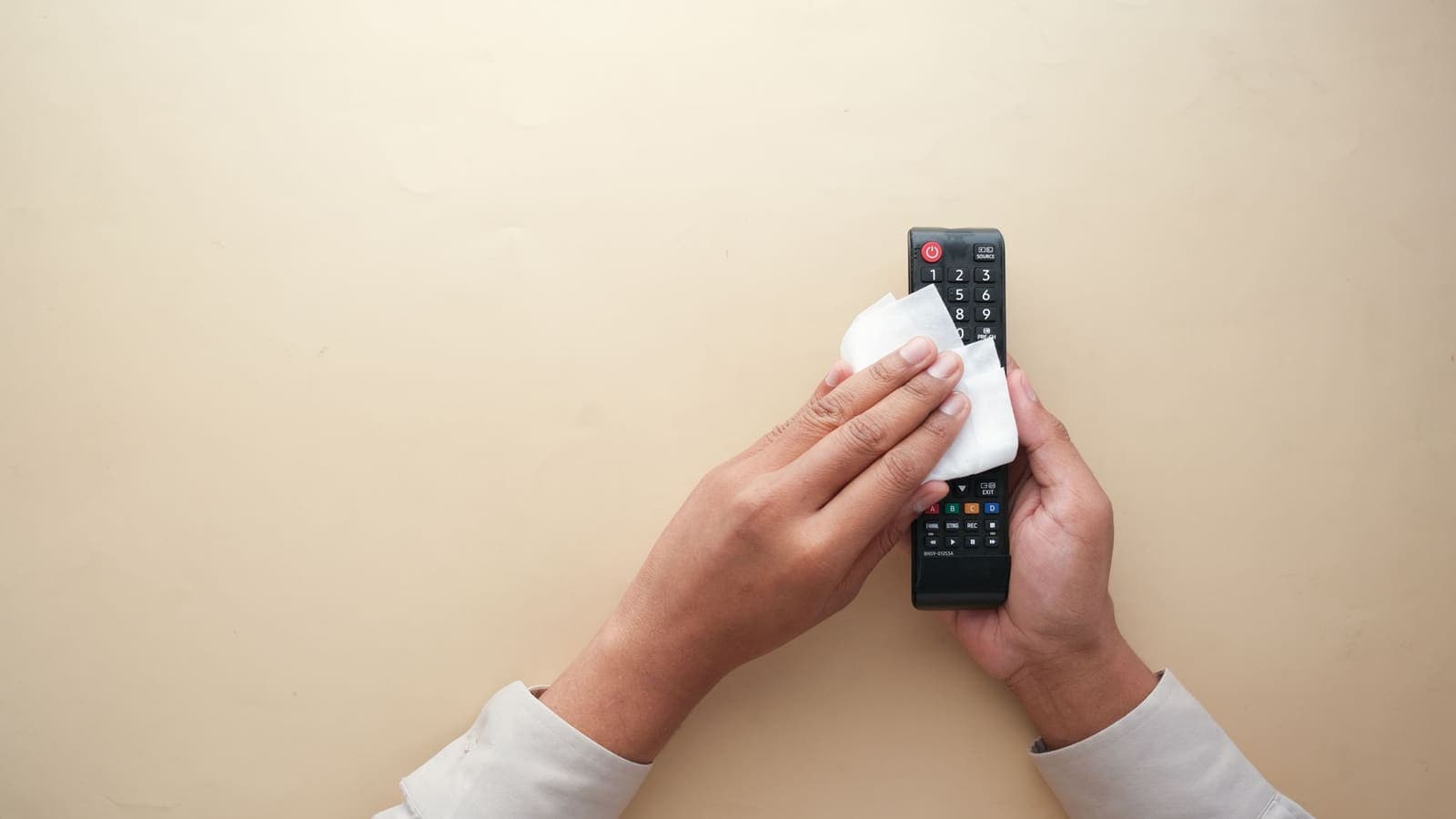
Google TV is the friendliest version of the platform for ordinary viewers. It puts movies, shows and apps in one recommendation-driven home screen, keeps separate profiles for each family member, and, helpfully for our purposes, is built on Android. That means the same VPN permission system that works on phones is present underneath. If your Google TV device lets you add apps, you can install a VPN app, approve a system prompt and send the device's traffic through an encrypted tunnel.
The catch is the word "device". Google TV comes in several forms: a small dongle you plug into an HDMI port, a television with Google TV built in, and boxes supplied by broadband or TV operators. They share software but not rules, and some are locked down. This guide begins by helping you tell which kind you have, then covers installation, connection, profiles, using your phone as a remote, and the problems that appear in real homes. We do not promise how any app or catalogue will respond, and we do not describe ways to avoid a service's rules.
Which Google TV do you have?
Before installing anything, identify your device, because it decides what is possible.
| Type | Examples of how you got it | Can you install a VPN app? | Notes |
|---|---|---|---|
| Streaming dongle or box | Bought separately and plugged into HDMI | Usually yes | Most flexible, easy to carry and replace |
| Television with Google TV built in | Chosen as the TV's operating system | Usually yes | Menus follow the TV maker's version of the software |
| Operator or provider box | Supplied with a broadband, pay-TV or mobile contract | Sometimes not | May be locked to approved apps only |
| Older Android TV device | Upgraded or similar interface | Yes, usually | See our Android TV guide |
A quick test: open the Apps tab on the home screen and look for an option to search for more apps, or open the app store icon. If you can search and install, you can almost certainly add a VPN app. If the store is missing or restricted, the device is probably locked down, and your options become a router (see setting up a VPN on a router) or a separate streaming dongle that you do control.
The free VPNclient app that XPASS customers use is offered for Android TV, Google TV and Fire TV. The app does not carry XPASS branding and does not have its own sign-up. You sign in with the username and password shown on your My Pass page.
Prepare before you sit down with the remote
Ten minutes of preparation saves an hour of frustration, because typing credentials on a TV is the slowest part of the process.
- Find your login details. Your My Pass page shows the VPN username and password. They are not the same as the email you use to sign in to the XPASS website. If you cannot find them, see where to find your VPN login details.
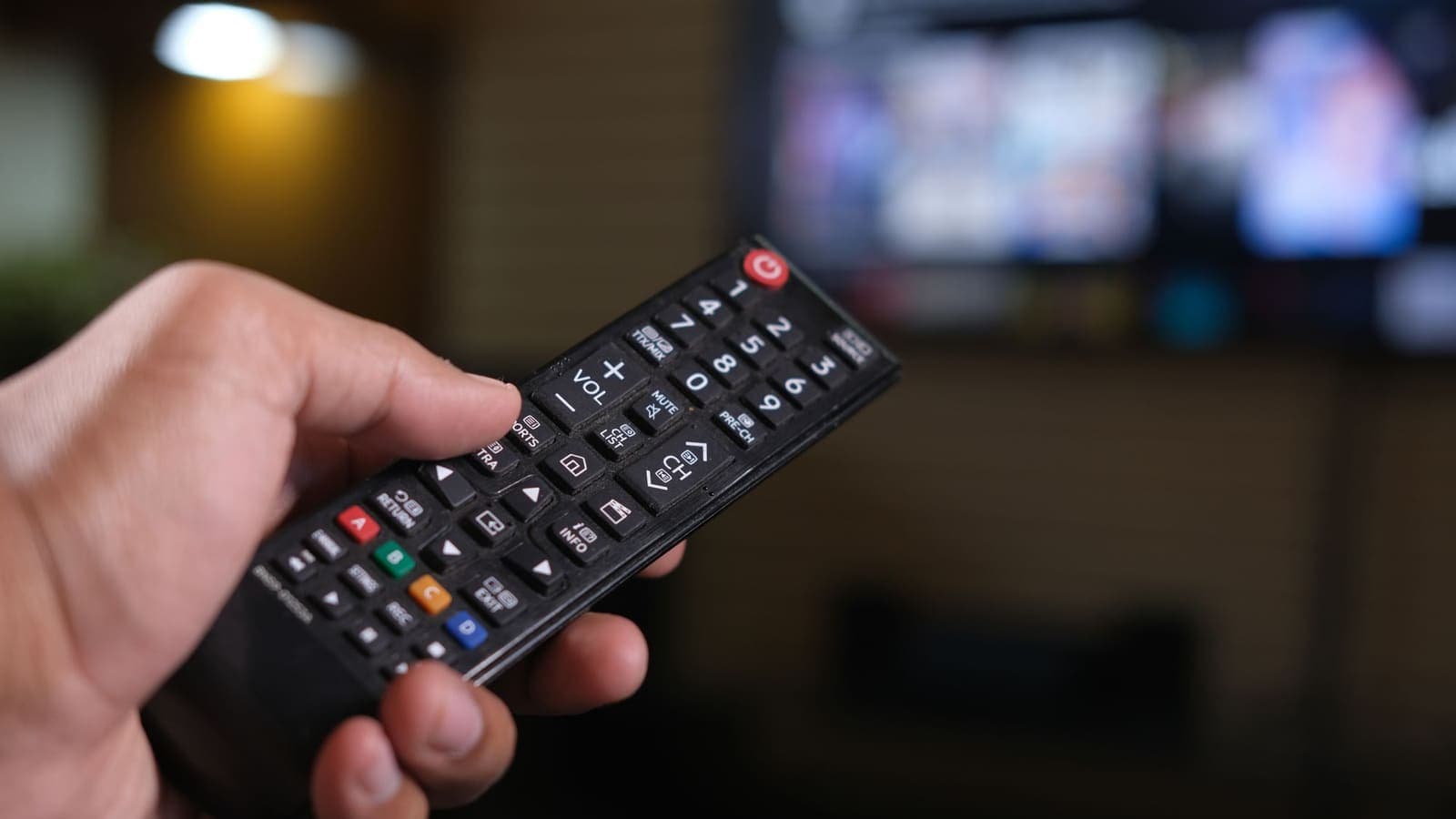
- Set up a better way to type. On a phone, open the Google TV app, which can act as a remote with a full on-screen keyboard. Alternatively, pair a Bluetooth keyboard. Both are far better than the on-screen keyboard driven by arrow keys.
- Check the network. Make sure the TV has a normal internet connection before you add a VPN. If streaming fails without the VPN, fix that first.
- Update the device. In the settings, look for the system update option.
- Decide which profile you are in. Installing an app while in a child's or guest profile may be restricted. Use your main profile.
Install the app on Google TV
There are two routes, as with every Android-based TV: the store and the official package.
From the store
- On the home screen, open the Apps tab and choose the option to search for apps, or open the store.
- Search for the app name. The listing for the app that XPASS customers use is named "VPNClient", published by SpiderSilk Limited.
- Check the publisher before installing. Many apps with similar names exist.
- Install and wait for it to finish. The app appears in your app row, and you can pin it near the front of the row so it is easy to reach.
If the store does not list the app on TV, some phone apps are not published for television layouts. Use the official package instead.
From the official TV package
The provider publishes a package for Android TV, Google TV and Fire TV, and the official link is on our download page. Installing it means allowing the device to install an app from outside the store, and that carries some risk, so follow a careful routine.
- Use only the official link, opened on the TV or downloaded on a computer and copied to a USB drive.
- When you open the file, the system will tell you that installing from this source is blocked and offer a shortcut to settings. Allow it for that one app only.
- Install, then go back and turn the permission off again.
- Delete the downloaded file so you do not reinstall an old version by accident.
If developer settings need to be enabled on your version to reach these options, the usual way is to open the system's About page and select the build number several times, but menus vary and you only need this if the normal prompt does not appear. The article on Android VPN APKs explains why this routine matters.
Sign in and approve the connection
- Open the app and sign in with the username and password from My Pass. Use your phone as the keyboard.
- Tap the connect button. We describe the app in generic terms because the store listing does not document its labels. Use whatever control starts the connection.
- Read the system prompt. Google TV will show a connection request saying that the app wants to set up a VPN connection and that it can monitor network traffic. This is how every VPN app works on Android. Check that the app name is the one you just opened, then accept.
- Look for the confirmation. The app shows a connected state, and the system status area may show a small key or VPN icon.
- Test. Open a streaming app and play something short. Then disconnect, play the same thing, and compare start-up time and quality.
If the prompt does not appear, or the app says it cannot connect, check Android VPN permissions and the step-by-step fixes in VPN not connecting.
Leave the app's connection settings at their defaults. The app may show a protocol option. Change it only if support suggests it.
Profiles, kids and shared TVs
Google TV profiles are a strength of the platform, and they interact with VPNs in a way that confuses people.
- The VPN is device-wide. It is a network connection of the TV, not of a profile. When it is connected, every profile's traffic goes through it.
- Apps are installed per device, but visibility and permissions can differ. A child's profile may not show the VPN app at all, which is good, because a child should not be changing it.
- Whoever opens the VPN app can disconnect it. In a shared home, agree who is responsible. A simple rule: the adult profile owns the VPN, and children's profiles do not display the app.
- Remember what the VPN does not do. It does not separate profiles, hide who is watching from an app or change recommendations. Those belong to the accounts.
For a shared living-room TV, one more habit helps: pin the VPN app in the first row of the adult profile and check it before you start an evening of viewing. Our guide on turning off a VPN covers the reverse process.
Using your phone as the control centre
The Google TV app on a phone is more useful than the physical remote for this task.
- Type credentials with a real keyboard. Password managers can fill the field on a phone, then you copy the text across by typing, not by sharing it with other apps.
- Browse for apps faster.
- Cast and share content, though casting needs the phone and TV to see each other on the same local network. If the phone itself is running a VPN, it can lose sight of the TV. Disconnect one side while you cast, or test whether casting works with both on.
If you do use a Bluetooth keyboard, remember to unpair it from the TV when you travel, so it does not connect to the wrong device.
What to expect from speed and data
A VPN adds work to every packet. On a typical Google TV dongle, the processor can handle the encryption for ordinary streaming, but real-world speed depends on your connection, your Wi-Fi and the VPN server.
- High-definition and 4K video need steady throughput. If playback stutters, try Ethernet through an adapter if your device supports one, a closer position to the router, or a different server location in the app. Our article on why internet speed changes with a VPN explains the causes.
- Data use rises slightly. Encryption adds overhead to each packet, so a given film uses a little more data than it does without a VPN. See does a VPN use more data for the numbers to expect, which matter if your home internet has a cap.
- Delay matters less for video than for games. The latency added by a VPN rarely bothers a film, but it can make start-up slower.
Test once, in the evening, with the same programme before and after. Peak hours are when networks are busiest, and a setup that passes at 3 pm may feel different at 8 pm.
Problems that appear in real homes
- The VPN app is missing after a system update. Updates sometimes reset permissions or app lists. Check the Apps row, reinstall if needed and reapprove the prompt.
- The device says connected but streaming apps fail. Disconnect, wait a few seconds, reconnect. If it persists, restart the TV. See VPN connected but no internet.
- It works on Wi-Fi in one room but not another. Weak signal looks like a VPN fault. Check the Wi-Fi strength in the network settings.
- Login fails. Re-enter the My Pass details carefully. An extra space at the end is a common cause when typing on a TV. Confirm that your pass is active.
- Streaming apps warn about the connection. Some services respond differently to VPN traffic. Do not retry repeatedly. Disconnect for that service on a network you trust and contact its official support if you need help.
- The TV becomes slow or the app crashes. Free up storage by removing unused apps, restart the TV and reinstall the VPN app if needed.
- A guest uses your TV and the VPN is on. Tell them. Their traffic goes through your tunnel while it is connected.
Limits and mistakes
A VPN on Google TV protects the connection between the device and the VPN server. It does not change what an app knows about your account, does not control what a service offers you, and does not override a service's rules or the law. We do not advise on avoiding any restriction.
Mistakes to avoid:
- Assuming an operator box can install apps without checking.
- Installing a package from an unofficial site.
- Leaving "install unknown apps" switched on afterwards.
- Typing the password with the arrow keys and then blaming the app when it fails.
- Forgetting that the VPN is shared by all profiles.
- Testing only once and in the middle of the afternoon.
Summary
Most Google TV devices are built on Android and can run a VPN app: install it from the store or from the official TV package, sign in with your My Pass details, approve the system prompt and test with a short video before and after. Check that your device is not a locked-down operator box, use your phone for typing, and remember that the VPN covers every profile on the device.
If a prepaid pass with a fixed number of days fits your viewing plans, you can compare options on the pricing page.
Frequently asked questions
Can every Google TV device run a VPN app?
Most can, because Google TV is built on Android, which supports VPN apps. The exception is a box supplied by a broadband or TV operator, which can be locked down so that you cannot add apps of your own. Check whether your device has an app store and lets you install from it.
Is Google TV different from Android TV for VPN purposes?
The VPN mechanism is the same: the app asks permission to create a VPN connection and you approve it. Google TV has a different home screen and profile system, but the way a VPN app is installed and approved works the same way.
How do I enter a long password with the Google TV remote?
Use the Google TV app on your phone as a remote with a full keyboard, or pair a Bluetooth keyboard. Voice input is not suitable for a password. Typing the password with arrow keys is slow and easy to get wrong.
Does the VPN apply to every profile on the TV?
The VPN is a device-level connection, so it applies to all profiles on that device while it is connected. Profiles only change which apps and recommendations you see, not the network path.
How do I turn the VPN off for a moment?
Open the VPN app and disconnect, or turn the connection off from the system's VPN settings. When you finish, reconnect so the rest of your viewing stays protected. See the how-to-turn-off guide for the general steps.
References
About the author

Bob Kanokphon Thongdee
- Founder of XPASS VPN
- Co-founder of eSIMonline.asia
- More than 7 years in online marketing
- Founder of Cojourney Visa and Cojourney Travel
Need a VPN for a short trip or a busy month?
XPASS sells prepaid passes for a set number of days. You pay once and nothing renews automatically.
See passesKeep reading
Device Guides
How to Set Up a VPN on Android TV, Google TV and Fire TV
Step by step: allow the TV to install the official VPNclient TV app, install it safely, sign in with your My Pass details and connect.
8 min read
Device Guides
Android VPN Permissions: What Are You Allowing?
What the Android VPN connection prompt really grants, which permissions a VPN app genuinely needs, which are red flags, and how to review them after install.
9 min read

Troubleshooting
VPN Not Connecting? Step-by-Step Fixes
A clear order of checks for when the VPN will not connect: pass status, login details, Wi-Fi and mobile data, permissions, firewalls, app conflicts and error messages.
8 min read
Device Guides
How to Turn Off a VPN on Any Device
How to disconnect the VPN in VPNclient on each device, turn off settings that keep it on, and connect again later.
6 min read
VPN Basics
Does a VPN Use More Data?
A VPN adds a small amount of overhead to everything you send, but the bigger data surprises usually come from somewhere else. Here is what to expect on mobile data and when streaming.
9 min read