
VPN APK vs Play Store: Security Considerations
A VPN app sees more of your traffic than almost any other app, so where it comes from matters. Compare APK sideloading with the Play Store and learn how to check a file.
9 min readUpdated Oct 15, 2026By XPASS Editorial Team
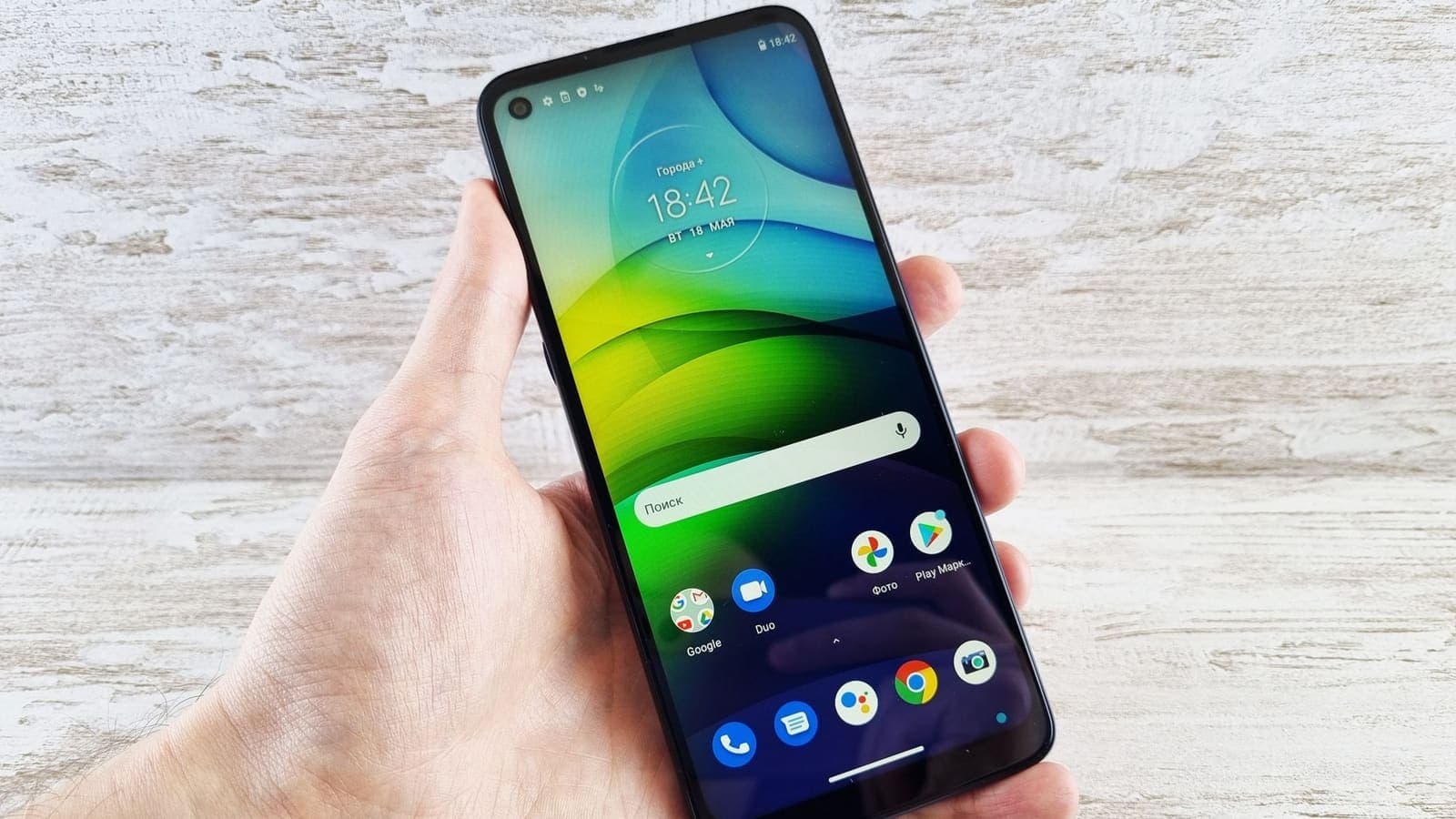
A VPN app is unlike a calculator or a torch app. Once you give it permission to set up a VPN connection, everything your phone sends to the internet can pass through it. That makes the question of where the app comes from unusually important. Many guides and forum posts offer a "VPN APK" as a shortcut: a file you download from a website and install by hand, instead of finding the app in the Play Store. Is that a sensible choice?
This article compares the two routes for installing a VPN on Android, explains the specific risks of sideloading a VPN, shows how to check a file if you decide to install one, and lists the few situations where an APK is a normal and acceptable way to get an app. It is about security trade-offs, not about brand recommendations. For a wider look at dangerous free apps, our piece on free VPN APK risks covers the warning signs in detail.
What an APK is, and what sideloading means
APK stands for Android Package. It is the file format Android uses to install apps. When you install from the Play Store, the store downloads an APK (or a set of split packages) and installs it for you. When you "sideload", you obtain the file yourself, from a website, a messaging app or a file manager, and install it without a store in the middle.
Sideloading is a legitimate feature of Android. Developers use it to test their own apps. Some companies distribute internal apps this way. Some devices, especially TV boxes, rely on it because their app stores are limited. So the file format is not the problem.
What changes is the set of protections you lose:
- Publisher verification. In a store, the developer account is registered, and in many cases verified. A file from a website carries only a claim.
- Scanning. Stores and Android's built-in protection scan apps for known malware. Scanning is not perfect, but sideloaded files bypass the store's checks. Google Play Protect can still scan installed apps on many phones, although you should not treat it as a guarantee.
- Automatic updates. A store updates your app silently when a security fix appears. A sideloaded app stays at the version you installed until you remember to replace it.
- Reputation signals. In a store you can see download counts, reviews, the developer name and the privacy details. For a file on a random website, the page that offers it is the only description, and it may be written by the attacker.

Why a VPN app raises the stakes
For most apps, the damage from a bad copy is limited to what that app can see. A VPN app is different because Android lets it become the route for your traffic. Official Android guidance on connecting to a VPN explains that the system asks you to approve the connection before an app can do this. That one approval gives the app a very privileged position.
A malicious or tampered VPN app can:
- Record the destinations of the sites and services you open.
- Inject or swap content, such as extra ads or redirects, in traffic that is not protected by HTTPS.
- Collect identifiers such as your device ID, advertising ID and installed apps, and send them to a third party.
- Pretend to be connected while sending your traffic out unprotected, or while routing it through a server run by someone else.
- Request additional permissions, such as access to files, contacts or notifications.
HTTPS limits some of this, since encrypted connections to sites cannot be read in the middle. The Cloudflare explanation of HTTPS describes this end-to-end protection. It does not hide which sites you visit, and it does nothing about the identifiers the app itself collects. A trustworthy source for the app is therefore the first line of defence, and a VPN you installed from a doubtful file is worse than having no VPN, because it adds a new party you cannot see.
Side by side: APK from a website versus the Play Store
| Question | Play Store | APK from a website |
|---|---|---|
| Who is the publisher? | Named developer account, visible on the listing | Whatever the web page says |
| Is the file scanned? | Yes, before and after publishing, though imperfect | Only if you or Play Protect scan it |
| Updates | Automatic or one tap | Manual, easily forgotten |
| Can the file be swapped for a modified copy? | Hard for outsiders | Easy if you use a mirror or third-party site |
| Reviews and history | Visible | Not available |
| Works without a Google account | Needs the store | Yes |
| Risk if the website is hacked | Not affected | Your download may be replaced |
| Permission needed | None beyond normal install | "Install unknown apps" for the source app |
The right-hand column is not hopeless. The table shows why the source of the APK is the deciding factor. An APK on the publisher's own HTTPS site is much closer to the store route than an APK on a download aggregator.
When an APK is a reasonable choice
There are real cases where sideloading is normal.
- TV boxes and streaming sticks. Android TV, Google TV and Fire TV devices often have limited app stores, so publishers offer their own APK for those devices. XPASS's VPNclient, for example, offers an official APK for Android TV and Fire TV, listed in our guide to setting up a VPN on Android TV, Google TV and Fire TV.
- Phones without Google services. Some devices ship without the Play Store, and their owners rely on other app stores or direct downloads.
- Work-managed phones. Companies may deploy their own VPN client as an APK or through a management system. In that case, follow the company's instructions and never install a replacement.
- A region where the store listing is unavailable. Even then, prefer the publisher's own site over a third-party mirror.
In each case, the rule is the same: get the file from the publisher itself, verify it, and switch back to a store version when one becomes available.
How to verify an APK before you install it
If you must sideload, treat it like handling a parcel from a stranger. Open it carefully and check it is what you expected.
- Start from the publisher's official page. Type the address yourself or use a link from the publisher's verified channel. Do not click a search ad or a link in a forum comment.
- Check that the address uses HTTPS and that the domain is exactly right. Look for letter swaps and extra words, the same tricks used in phishing. The CISA guidance on recognising phishing lists the warning signs.
- Compare the checksum. Reputable publishers list a SHA-256 value next to the download. Compute the checksum of your file with a file manager that supports it, or a trusted checksum app, and compare every character. If the values differ, delete the file.
- Check the package name and developer. After download, but before installing, many file managers show the package name. It should match the publisher's documented name.
- Scan the file. Upload it to a multi-engine scanner or run your phone's built-in scan. Remember that a clean result does not prove safety.
- Look at the permissions it asks for. A VPN needs the VPN approval and network access. It does not need your contacts, SMS or microphone.
- Install, then remove the permission. Allow "install unknown apps" only for the browser or file manager you used, and turn it off straight afterwards.
- Delete the installer file once the app is installed, so you do not reuse an outdated version.
- Plan updates. Write a reminder to check the publisher's page for a new version every month or two, since you will not get automatic updates.
Scenarios: how people end up with a VPN APK
The friend's message. Dan receives a message saying "install this VPN, it is free" with a link to an APK. He has no idea who published it. The safe choice is not to install it, and to look for the publisher's listing in the Play Store instead. A forwarded file from an unknown source could be anything.
The TV stick. Sara has a Fire TV stick and wants a VPN on it. The store listing does not offer a client she trusts, so she opens the official publisher's page on her laptop, copies the address, and follows the publisher's instructions for the TV. She checks the domain, installs, then removes the unknown-sources permission. This is the legitimate use of an APK.
The "premium for free" file. A website offers a "cracked" premium VPN APK. Apart from the legal problem of using pirated software, there is a serious security one: someone has modified the app. Whoever did it controls what that app does with your traffic. Do not install cracked apps. If a premium app costs too much, a short prepaid pass from an honest provider is a safer way to pay for a limited time.
The older phone. Mei has a phone too old for the current store version of an app and finds an old APK online. Old versions miss security fixes. A better route is to use the same service on a newer device, or check whether the publisher lists an official compatible release.

Permissions, updates and long-term safety
Installation is only the start. A few habits keep an installed VPN app trustworthy.
- Review the app's permissions in Android settings now and then. If an update starts asking for something unrelated, find out why.
- Keep Android itself updated. Security patches in the operating system protect against flaws in any app.
- Use the system's "always-on VPN" setting carefully. It is a useful way to keep the tunnel on, and it works with apps that support it. Learn how it behaves before you rely on it, because blocking connections without a VPN may leave you offline when the tunnel fails.
- Remove apps you no longer use. An unused VPN app that still holds its permission is an unnecessary risk.
- Sign in only with the credentials the publisher issued. If an app asks for your email password or card details inside the VPN screen, close it.
When you set up the app as described in the guide to setting up a VPN on Android, follow the official source first. If you are choosing an app, how to check a free VPN app on Android gives a store-side checklist that complements this one.
Common mistakes
- Trusting the first search result for "VPN APK download" without checking the domain.
- Installing a file because a video or comment recommends it.
- Skipping the checksum because the file "looks fine".
- Leaving "install unknown apps" switched on for the browser permanently.
- Downloading an old version from a mirror because the new one is not visible in the store.
- Using a modified or "mod" APK to unlock paid features.
- Sending the APK to friends by chat instead of pointing them to the official page.
- Assuming a polished website or a high number of downloads proves that an app is safe.
Summary
For most people, the Play Store is the lower-risk way to install a VPN on Android, because it gives you a named publisher, scanning, reviews and automatic updates. An APK is not wrong in itself, and some devices, especially TV boxes, rely on it, but a VPN app sees almost all your traffic, so it must come directly from the publisher, be checked against a published checksum, and be updated by hand. Avoid mirrors, cracked files and forwarded links.
If you want to try a straightforward setup, a prepaid XPASS pass works with the VPNclient app from the official stores, and you can look at the download page or the pricing page when you are ready.
Frequently asked questions
Is a VPN APK always unsafe?
No. An APK is just the installation file format, and some publishers legitimately distribute their own app that way, for example for TV devices. The risk comes from unknown sources, modified copies and missing updates, not from the format itself.
Why is the Play Store usually safer for a VPN app?
The store verifies the publisher account, scans apps, delivers updates automatically and lets you see reviews and the developer name. None of this is perfect, but it removes several risks that come with files from random websites.
What can a malicious VPN app do?
Because a VPN app routes your traffic, a bad one can record the sites you visit, inject ads, collect identifiers and weaken your protection while showing a connected badge. That is why the source of the app matters more than for most apps.
How can I check an APK before installing it?
Download only from the publisher's own site over HTTPS, compare the file's checksum with the one the publisher lists, check that the package name and developer match, and let a malware scanner look at it. If any step does not match, do not install.
Do I need to turn off the unknown sources setting afterwards?
Yes. Allow installs only for the single app you are using, and remove the permission once you are done, so another app cannot quietly install files later.
References
About the author

Bob Kanokphon Thongdee
- Founder of XPASS VPN
- Co-founder of eSIMonline.asia
- More than 7 years in online marketing
- Founder of Cojourney Visa and Cojourney Travel
Need a VPN for a short trip or a busy month?
XPASS sells prepaid passes for a set number of days. You pay once and nothing renews automatically.
See passesKeep reading
Buying Guides
Free VPN APK Files: Security Risks Explained
A free VPN APK downloaded from a website skips the checks of an app store, yet a VPN app sees all your traffic. Learn the specific risks, how to verify a file, and how to clean up.
9 min read

Buying Guides
How to Check a Free VPN App on Android Before You Install It
Instead of a list of brands, this guide gives you a method to judge any free VPN app on Android: the store listing, permissions, privacy information, APK risks and a few quick tests.
9 min read
Device Guides
How to Set Up a VPN on Android
Step by step: install VPNclient from Google Play, sign in with your My Pass details, accept the Android connection request and connect.
6 min read

Device Guides
How to Set Up a VPN on Android TV, Google TV and Fire TV
Step by step: allow the TV to install the official VPNclient TV app, install it safely, sign in with your My Pass details and connect.
8 min read
Buying Guides
Are Free VPNs Safe? Red Flags to Check First
A free VPN still has to pay for servers, so ask who is paying. Here are the privacy policy, no-logs and Android APK red flags to check before you install one.
9 min read