
Android VPN Permissions: What Are You Allowing?
What the Android VPN connection prompt really grants, which permissions a VPN app genuinely needs, which are red flags, and how to review them after install.
9 min readUpdated Oct 15, 2026By XPASS Editorial Team
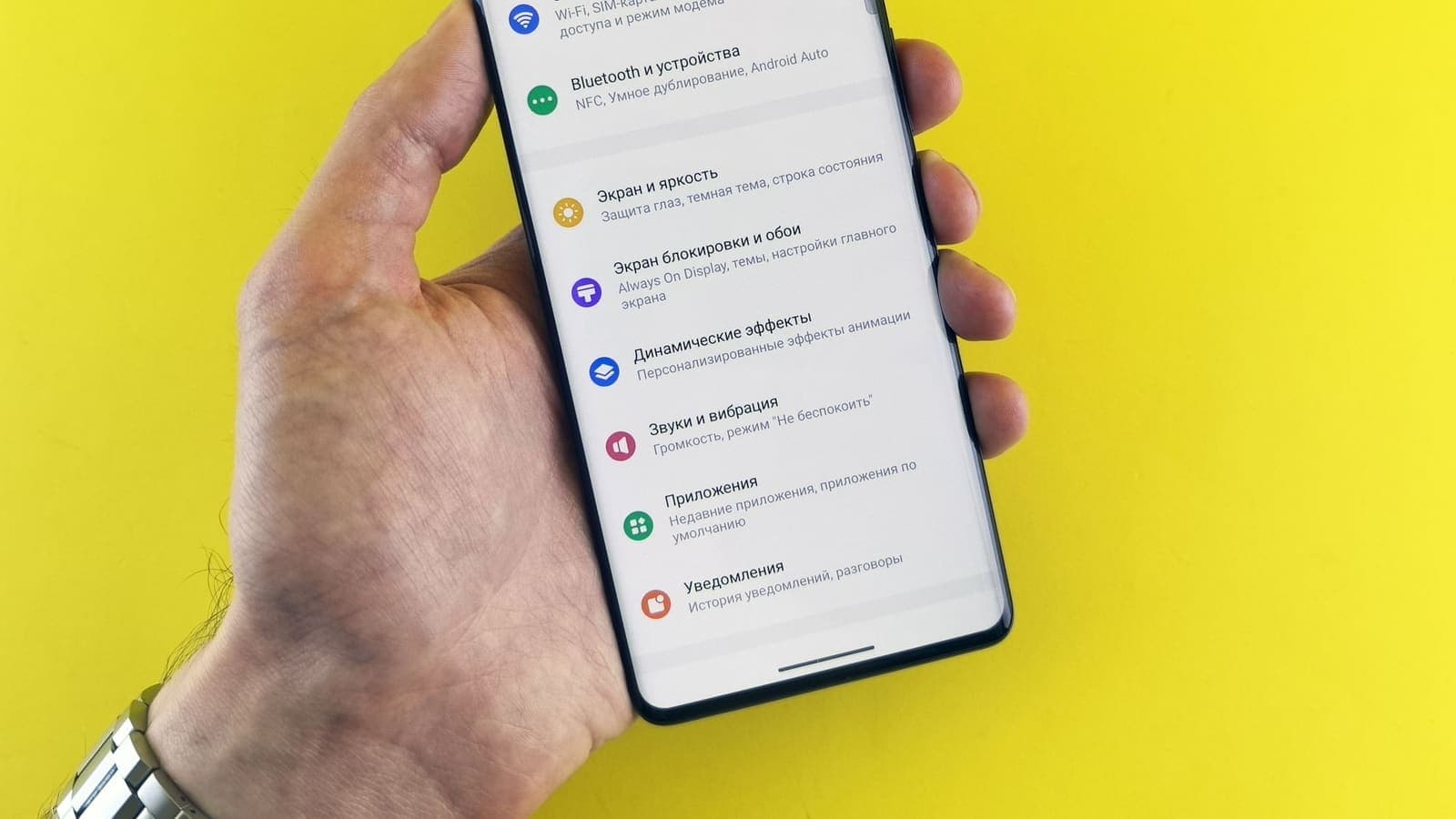
Most Android permission prompts are easy to read: an app wants your camera, your location, your photos. The VPN prompt is different. It asks whether you trust an app to set up a VPN connection, and it uses a sentence few people read twice. That one tap hands the app a role at the centre of your phone's network traffic, so it deserves a little more thought than the usual "allow" button.
This article explains, in plain terms, what you are allowing when you set up a VPN on Android. It covers the connection request, the permissions that are normal for a VPN app, the ones that are warning signs, how to review everything after installation and how to withdraw access later. If you are still choosing an app, the checklist in how to check a free VPN app on Android is a good companion.
The connection request prompt
When you connect a VPN app for the first time, Android shows a system dialog, usually titled "Connection request" or something similar. It says that the app wants to set up a VPN connection that allows it to monitor network traffic, and that you should accept only if you trust the source. A key icon appears in the status bar once a VPN is running.
Three things to know about this prompt:
- It is drawn by Android, not by the app. An app cannot fake it or skip it, which is the point. The wording may differ slightly between versions and phone makers.
- It is not a permission in the usual list. You will not find a "VPN" toggle under an app's Permissions page. It is a separate grant, controlled by the system, and you can see or remove it under Settings, Network and internet, VPN.
- It only covers the VPN role. Accepting it does not give access to your contacts, files, camera or location. Those are separate permissions the app would have to request on their own.
What the grant really means: while the VPN is active, the phone sends network traffic to the app's tunnel instead of straight to the internet. The app can therefore see which servers your traffic is headed for and how much data moves. Content that is already encrypted, such as most websites and messaging apps using HTTPS, stays encrypted inside and outside the tunnel. The Android help page on connecting to a VPN covers the basic steps in the system's own words.

Permissions a VPN app normally needs
A well built VPN app needs very little. Here are the ones you can expect, and why.
| Permission or capability | Why a VPN app has it | Reasonable? |
|---|---|---|
| VPN connection (the system prompt) | To create the tunnel at all | Yes, essential |
| Internet access | To talk to the VPN server | Yes, and granted automatically, with no prompt |
| Network state | To notice when Wi-Fi or mobile data changes and rebuild the tunnel | Yes |
| Notifications (Android 13 and later) | To show connection status and alerts | Yes |
| Run in the foreground / keep alive | To stay connected while the screen is off | Yes |
| Ignore battery optimisation | To avoid being stopped in the background | Reasonable, you may need to set it yourself |
| Start at boot | To reconnect after a restart | Reasonable, optional |
Most of these are granted at install time without a prompt, because Android classes them as ordinary. You see them in the store listing under the app's details, and again under Settings, Apps, the app, Permissions for those that need your consent.
One useful habit: look at the store listing's section on data safety or privacy before installing. It states what the developer says the app collects and shares. A VPN app that lists location, contacts or advertising identifiers as collected deserves a second look.
Permissions that should worry you
A VPN does not need these to work. If an app asks for them, ask why, and be ready to say no.
- Contacts, call log and SMS. There is no technical reason for a tunnel to need your address book or messages. These are common in data-harvesting apps.
- Microphone and camera. Same logic. A VPN has no use for them.
- Precise location. Some apps use it to pick a server automatically, but a nearby server can be chosen by name or by network speed, so it is rarely necessary.
- Accessibility service. This is among the most powerful grants on Android. It lets an app read what is on screen and act on your behalf. A VPN app has no ordinary need for it. Treat any request as a serious warning.
- Device administrator. This lets an app lock the phone or prevent its own removal. A normal VPN should be easy to uninstall.
- Display over other apps. Rarely needed. Some adware uses it to push full-screen adverts.
- Install unknown apps. A VPN has no business installing other software.
- Read installed app list or usage data. Sometimes appears in connection with split tunneling, where you pick apps to include or exclude. That is a legitimate use only if the app shows you the list for that purpose and nothing more.
If a free app asks for several of these at once, compare it with the red flags in the Android checklist article linked earlier. The EFF's Surveillance Self-Defense guides explain more broadly why apps that collect data deserve scrutiny.
Always-on VPN and blocking connections without VPN
Two system-level switches sit beside the permission and are worth understanding, because they change what the app is allowed to do when the tunnel is not up.
- Always-on VPN asks Android to start the chosen VPN automatically and keep it running, including after a restart. It makes the VPN app part of the system's own network handling.
- Block connections without VPN tells Android to refuse any network traffic that is not going through the tunnel. If the VPN drops, your apps simply have no internet until it reconnects.
These are not extra permissions for the app; they are settings you control under Settings, Network and internet, VPN, usually by tapping the gear icon next to the VPN entry. They tighten your own protection rather than widen the app's access. The step-by-step explanation lives in how to block connections without a VPN on Android.
What happens at install, step by step
Walking through a typical first run shows where each decision sits.
- Install from the official store listing. Check the publisher name, the number of downloads and recent reviews. For XPASS customers, the download page links to the official app listings.
- Open the app and sign in. The app itself is not yet connected to anything.
- Tap connect. Android shows the connection request. Read it, and accept only if you chose this app deliberately.
- Notification prompt (newer Android). Allow it if you want to see status. You can still use the VPN if you decline, but the persistent system notice remains.
- Battery prompt, if offered. Allowing unrestricted background use helps the tunnel stay alive.
- Check the status bar. The key icon confirms that a VPN is active.
- Review afterwards. Open Settings and look at the app's permission list once. It takes a minute and tells you whether anything unexpected was requested.
Reviewing and withdrawing access later
Permissions are not a one-time decision. Android lets you revisit them whenever you like.
- Per-app permissions. Settings, Apps, the VPN app, Permissions. Anything unnecessary can be set to Don't allow.
- The VPN grant itself. Settings, Network and internet, VPN. Tap the gear to see Always-on and block options, or remove the saved configuration. Removing it makes the app ask again on next connect.
- Permission manager and privacy dashboard. On recent versions, these show which apps used location, camera or microphone recently. If a VPN app appears there, investigate.
- Auto-reset for unused apps. Android may reset permissions for apps you have not opened in months. That is a good default; leave it on.
- Uninstalling. If you stop using a VPN app, uninstall it, and check that no leftover entry remains under the VPN settings.

Three scenarios
The cautious first-timer. Lan installs a VPN app and sees the connection request. She reads it, recognises that she picked the app herself from the official page, and accepts. Afterwards she opens the permission list and finds only notifications. She leaves everything as is.
The suspicious free app. Tom installs a free VPN from a search result. Before connecting, the app asks for contacts and for permission to display over other apps. He denies both and the app refuses to work. That refusal is a decision for the app maker to justify, not a reason for Tom to give in. He uninstalls it and looks for a provider with clear terms.
The shared tablet. A family shares one tablet and the parents use a management profile that includes its own VPN. A child's VPN app keeps disconnecting because Android only allows one active VPN. Reading the VPN settings reveals the management profile; the parents decide which one stays, instead of the child fiddling with permissions.
Four questions before you tap Allow
A short mental checklist beats memorising every permission name. Before accepting any prompt connected to a VPN app, ask yourself:
- Did I choose this app on purpose, from an official listing, or did it appear after a pop-up or a link in a message?
- Does this specific request match what a tunnel needs to do?
- Can I still use the app if I say no, and what would I lose?
- Would I be comfortable if a friend watched me grant this on my phone?
If any answer is uncomfortable, pause. Denying a permission costs a minute; granting one to the wrong app can cost much more.
Limits: what permissions cannot tell you
Reading permissions is useful but incomplete.
- A clean permission list does not prove a VPN is trustworthy. The provider's terms, jurisdiction and practices matter too; see what a VPN provider can see for what sits behind the tunnel.
- The VPN role is powerful by nature. Trust in the provider matters more than any one setting.
- Permissions can change after an update. Review them occasionally, particularly if an app suddenly asks for something new.
- Android wording, menu names and layout vary. The ideas stay the same even if the labels move.
Summary
The Android VPN prompt gives an app the job of carrying your phone's network traffic, which is why the system asks you directly. A VPN app normally needs only that, internet access, network state, notifications and sometimes background and boot options. It does not need contacts, SMS, camera, microphone, accessibility or device admin rights. Install from the official listing, accept the prompt only for an app you chose, review permissions once after installing and remove what is not needed.
If you want to see how a VPN connects before you commit, the pricing page lists pass lengths, and the setup guide for Android walks through the first connection.
Frequently asked questions
What does the Android 'Connection request' prompt for a VPN mean?
It asks whether you trust the app to set up a VPN connection, which lets it route your phone's network traffic through its tunnel. Android shows the prompt because that is a powerful capability. Accept it only for an app you chose to install and trust.
Does a VPN app need access to my contacts, SMS or camera?
No. Routing traffic through a tunnel does not require those. If a VPN app asks for contacts, messages, microphone or camera, treat it as a red flag and deny the request or choose another app.
Why does the VPN app want to send notifications?
On recent Android versions, a notification permission lets the app show connection status and warnings. Android also requires a running VPN to display a persistent notification and a key icon, so the status itself is not optional.
Can I take back a permission after I have allowed it?
Yes. Open Settings, then Apps, find the app and review Permissions. You can also remove the VPN configuration under Network and internet, then VPN. Removing the VPN permission means the app must ask again.
Does the VPN permission let an app read my passwords?
Not directly. Traffic to most apps and sites is already encrypted with HTTPS, so a VPN app sees where the traffic goes, not the content. A VPN app still sits in a powerful position, which is why you should only trust one you have checked.
References
About the author

Bob Kanokphon Thongdee
- Founder of XPASS VPN
- Co-founder of eSIMonline.asia
- More than 7 years in online marketing
- Founder of Cojourney Visa and Cojourney Travel
Need a VPN for a short trip or a busy month?
XPASS sells prepaid passes for a set number of days. You pay once and nothing renews automatically.
See passesKeep reading

Buying Guides
How to Check a Free VPN App on Android Before You Install It
Instead of a list of brands, this guide gives you a method to judge any free VPN app on Android: the store listing, permissions, privacy information, APK risks and a few quick tests.
9 min read
Device Guides
How to Set Up a VPN on Android
Step by step: install VPNclient from Google Play, sign in with your My Pass details, accept the Android connection request and connect.
6 min read

Privacy Guides
What Can a VPN Provider See About You?
A VPN does not remove trust, it relocates it. Here is what a VPN provider can technically see about your account, your payment, your connections and your traffic, and how to judge a provider.
9 min read

VPN Security
Is a VPN Safe? What It Protects and Where the Risks Are
A VPN can make some parts of your online life safer, but it is not a shield against everything. Here is what it protects, where the risks sit and how to use one sensibly.
9 min read

Buying Guides
What to Check Before Paying for a VPN
A short, practical checklist covering billing, refunds, device support, setup and claims, so you can judge a VPN before your card is charged rather than after.
8 min read