
VPN on Google Pixel: Settings and Options
A Pixel runs close to stock Android, so VPN options are easy to find but easy to misread. Learn which choices matter and how to test them.
9 min readUpdated Oct 15, 2026By XPASS Editorial Team
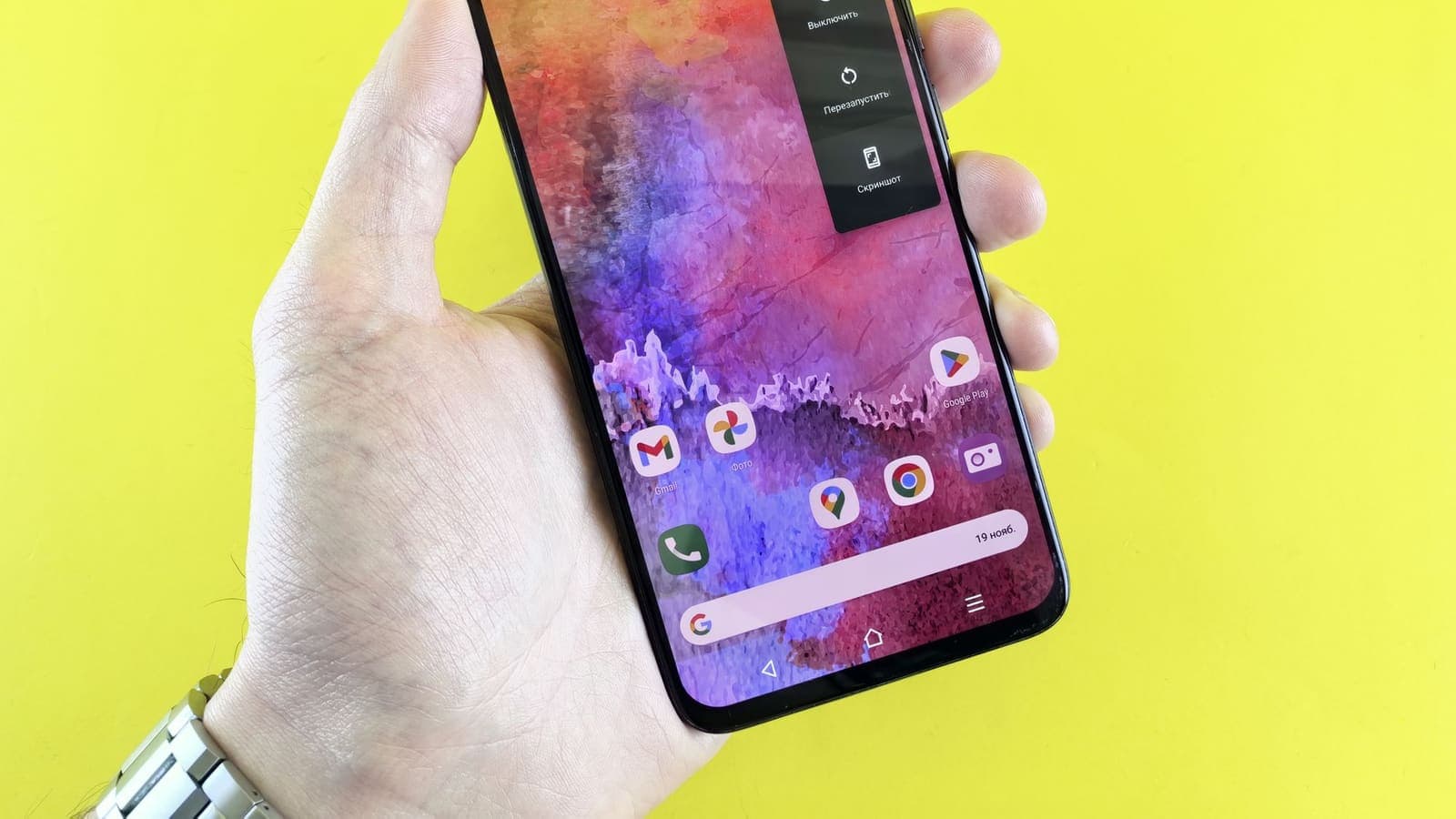
Google Pixel phones run Android in a form close to what the platform's designers intended, with few additions from the phone maker. For a VPN user that is mostly good news: the settings are where the Android documentation says they are, apps behave predictably, and updates arrive quickly. It can also lead to overconfidence, because the VPN menu offers choices whose meaning is not obvious, and a few newer features such as separate spaces change what a VPN actually covers.
This article walks through the VPN options on a Pixel and explains what each one is for. It covers the choice between a VPN app and a manual profile, the always-on and block settings, how Private DNS fits, what happens in Private Space and with multiple users, how updates and battery settings can interfere, and how to test the result. For the plain step-by-step installation that applies to any Android phone, use the Android setup guide. Menu names change between Android versions, so use the search box in Settings when a name looks different on your phone.
Two ways to add a VPN on a Pixel
Android lets a VPN reach your phone in two ways, and the VPN menu on a Pixel shows both.
A VPN app. You install an app from Google Play, sign in, and approve the system prompt that asks permission to set up a VPN connection. Android's official guidance on connecting to a VPN describes the prompt and the key icon that appears in the status bar once the connection is active. For consumer services, this is the normal path. The app picks the settings and handles reconnecting.
A manual VPN profile. Under the VPN settings there is an add button that lets you type in a profile by hand: a name, a type, a server address and credentials. This is intended for work networks and custom setups, where the administrator hands you the exact values. The built-in profile types are standards such as IKEv2, which RFC 7296 defines. If you do not have values from your provider telling you to use it, do not create a manual profile, because a wrong entry just gives you a connection that never works.
| Question | VPN app | Manual profile |
|---|---|---|
| Who sets it up | The app | You, with values from an administrator |
| Typical use | Personal and travel use | Work networks, custom servers |
| Sign-in | In the app | Typed into the profile |
| Reconnects automatically | Usually, by the app | Depends on always-on |
| Troubleshooting | App-specific help available | Check every field by hand |
| Risk of typing errors | Low | High |
If you are using a prepaid XPASS pass, the free VPNclient app signs in with the username and password on your My Pass page. The download page lists the official links for each device.
The options in the VPN menu, one by one
Open Settings, then Network and internet, then VPN. On a Pixel you will see each VPN you have added with a gear icon beside it.
- Always-on VPN. Android starts this VPN as soon as the phone connects to a network and reconnects it after drops. It works with apps that support the feature. For a phone you carry everywhere, it is the single most useful option.
- Block connections without VPN. Sometimes called a kill switch at the system level. When enabled, apps cannot use the network unless the VPN is connected. It helps against traffic escaping while the tunnel is down, but it can leave you with no internet when the tunnel fails or when you need a hotel sign-in page. Our explainer on the VPN kill switch describes the trade-off.
- Forget or remove. For an app-based VPN, forgetting it removes the entry; the app itself stays installed.
- Edit. For a manual profile only, lets you change server address and credentials.
On some Android versions these options only appear after the VPN app has been connected once. If the gear is missing, connect first and then return to the menu.
Private DNS and the VPN on a Pixel
A Pixel exposes the Private DNS setting in the same Network and internet area. It encrypts DNS lookups to a server of your choosing, and it interacts with a VPN in ways that depend on the mode. In short: Automatic mode rarely causes trouble, a fixed hostname can cause lookups to fail while a tunnel is active, and the only reliable answer is to test. The detailed walkthrough is in Android VPN and Private DNS: setup tips. If you only change one thing in that menu, leave it on Automatic and run a leak test with the VPN connected.
Private Space, multiple users and work profiles
Recent Pixels support several separate areas in which apps live.
- Private Space. On Android versions that include it, Private Space is a locked area with its own apps and its own lock. Whether a VPN connection on the main profile applies to apps in the private area can depend on the version and on the app. Test by connecting on the main side, unlocking the private area and opening an IP-check page there. If the displayed address is your normal one, install and sign in to the VPN app inside the private area too.
- Multiple users. A second user, or a guest user, is a completely separate profile. VPN settings do not carry across. If someone else uses your Pixel as a different user, they need their own VPN setup.
- Work profile. An employer may manage a work profile on your phone. The VPN rules inside it belong to the employer, and your personal app may not govern those apps. Do not try to override a company's VPN configuration.
The practical rule is simple: any time apps live in a separate space, test that space on its own.
Updates, battery and background restrictions
Pixels get frequent software updates. That is good for security, but it means behaviour can shift between versions. A permission prompt may change wording, a battery rule may become stricter, or a menu may move. After a major update, spend two minutes confirming the following:
- The VPN app still opens, signs in and connects.
- Always-on VPN is still selected.
- The app is not restricted in battery settings. Look at the app's own info page, then Battery, and choose the unrestricted or non-optimised option if available.
- Notifications for the app are still allowed.
- An IP-check page shows the VPN's address.
The Adaptive Battery feature learns which apps you rarely use and limits their background activity. A VPN you reach for only now and then can be treated as a rarely used app. If your VPN drops after a long idle period, this is the first thing to check. Our article on whether a VPN drains your battery explains what to expect from the extra power use.
Scenarios that show the choices
The weekend traveller. Sam uses a Pixel on hotel and airport Wi-Fi. He turns on Always-on VPN, leaves the block option off, and connects to the hotel sign-in page first, then to the VPN. Read how to stay safer on public Wi-Fi for the wider habits.
The remote worker. Aiko has a work profile and a personal profile. The company VPN lives in the work profile. She installs her own VPN app for personal browsing and tests that the personal side shows the VPN address, while the work apps keep following the employer's rules.
The shared phone. A parent lets a child use the Pixel under a second user profile. The parent's VPN does not apply to that profile, so the child's profile either gets its own app or is used only on trusted networks.
The curious tester. Lee wants to check what the always-on setting really does. He switches Wi-Fi off and on, watches the key icon return in the status bar, and confirms with an IP-check page. If the icon takes a long time to return, he checks the battery rule and the app's reconnect behaviour.
Turning it off and fixing common problems
To disconnect, open the VPN app and tap disconnect, or open Settings, Network and internet, VPN and tap the entry. If the VPN is set to always-on, turning it off from the app may immediately reconnect it; to stop it for good, remove always-on in the gear menu. The general guide on turning off a VPN on any device covers this.
| Symptom | Likely cause | What to try |
|---|---|---|
| Key icon disappears after a while | Battery restriction on the app | Set battery usage to unrestricted |
| Connected but nothing loads | DNS or route problem | Set Private DNS to Automatic; reconnect |
| No internet after enabling block option | Tunnel is down and block is on | Turn the block option off; reconnect |
| Works on the main profile, not in a second space | Separate VPN settings per space | Install the app inside that space |
| Menu names differ from a guide | Different Android version | Search Settings for VPN |
| Stopped working after an update | Permission or battery rule changed | Re-approve the prompt; review battery settings |
If it still fails, the guide to troubleshooting a VPN on Android lists more steps.
A five-minute checklist before you travel
A short routine on the day before a trip catches most Pixel-specific problems while you still have a reliable home connection to fix them.
- Install any pending system and app updates, then restart the phone once, so that nothing updates in the middle of a journey.
- Open the VPN app, sign in if needed, and connect on home Wi-Fi to confirm the pass is active.
- Open the gear menu and confirm that Always-on VPN is selected. Leave the block option off unless you have practised turning it off.
- Check the battery setting for the app and make sure it is not restricted.
- Connect on mobile data as well, because networks behave differently.
- Note where the support page and your My Pass details are, so you are not searching for them with a poor connection.
This takes minutes and removes the most common surprises.
Limits and common mistakes
- Treating a Pixel as automatically safer. A phone with timely updates still needs good habits and a trustworthy VPN source.
- Creating a manual profile without values from an administrator.
- Turning on the block option and then being unable to open a hotel sign-in page.
- Assuming a VPN on the main profile covers Private Space or another user.
- Skipping a test after a major system update.
- Installing a VPN from a random file instead of the official store; VPN APK vs Play Store explains the risks.
- Expecting a VPN to stop phishing or malware. It protects the route, not your choices.
Summary
On a Google Pixel, a VPN app is the straightforward option and a manual profile is for work setups. Always-on VPN is worth enabling, the block option is worth understanding before you use it, Private DNS is best left on Automatic, and separate spaces need their own tests. After updates, recheck the battery setting and the connection.
If you want to try this on your own Pixel, the prepaid passes on the pricing page work with the free VPNclient app, and you only pay for the days you choose.
Frequently asked questions
Do I need a special app for a Google Pixel?
No. A Pixel uses the standard Android VPN system, so any VPN app available on Google Play works the normal way. You install it, sign in, approve the system prompt and connect. There is nothing Pixel-specific to download.
What is the difference between a VPN app and a manual VPN profile on a Pixel?
An app handles the setup, the sign-in and the connection for you. A manual profile, added under the VPN settings, needs the server address and settings from your provider or employer, and is mainly meant for work or custom setups. For a consumer VPN, the app is almost always the simpler route.
Should I turn on Always-on VPN and Block connections without VPN?
Always-on VPN is a good idea for a phone that spends time on public networks. The block option adds protection against traffic leaving outside the tunnel, but it also cuts your internet when the tunnel is down, so switch it on only once you know how to turn it off.
Does the VPN cover apps in Private Space or a second user profile?
Not necessarily. Separate spaces and user profiles can have their own VPN settings. Connect on the main profile, open an IP-check page inside the other space, and install the VPN app there too if the address is your normal one.
Can an Android update change how my VPN behaves?
Yes. Pixels receive frequent updates, and a new version can change permission prompts, battery behaviour or menu names. After a major update, check that the VPN still connects, that always-on is still set and that a test page shows the expected address.
References
About the author

Bob Kanokphon Thongdee
- Founder of XPASS VPN
- Co-founder of eSIMonline.asia
- More than 7 years in online marketing
- Founder of Cojourney Visa and Cojourney Travel
Need a VPN for a short trip or a busy month?
XPASS sells prepaid passes for a set number of days. You pay once and nothing renews automatically.
See passesKeep reading
Device Guides
How to Set Up a VPN on Android
Step by step: install VPNclient from Google Play, sign in with your My Pass details, accept the Android connection request and connect.
6 min read

Troubleshooting
How to Troubleshoot a VPN on Android
Work through the most common Android VPN problems in order, from an expired pass to battery settings, always-on VPN and network changes.
5 min read

Device Guides
How to Turn Off a VPN on Any Device
How to disconnect the VPN in VPNclient on each device, turn off settings that keep it on, and connect again later.
6 min read

VPN Security
What Is a VPN Kill Switch?
A kill switch stops your device from quietly falling back to an unprotected connection when the VPN drops. Here is how the idea works and how to check it.
12 min read

VPN Security
How to Stay Safer on Public Wi-Fi
Public Wi-Fi is not a disaster, but it is a network you do not control. Here are the real risks, the habits that matter most, and where a VPN fits in.
8 min read