
Are Free VPNs Safe? Red Flags to Check First
A free VPN still has to pay for servers, so ask who is paying. Here are the privacy policy, no-logs and Android APK red flags to check before you install one.
9 min readUpdated Oct 15, 2026By XPASS Editorial Team
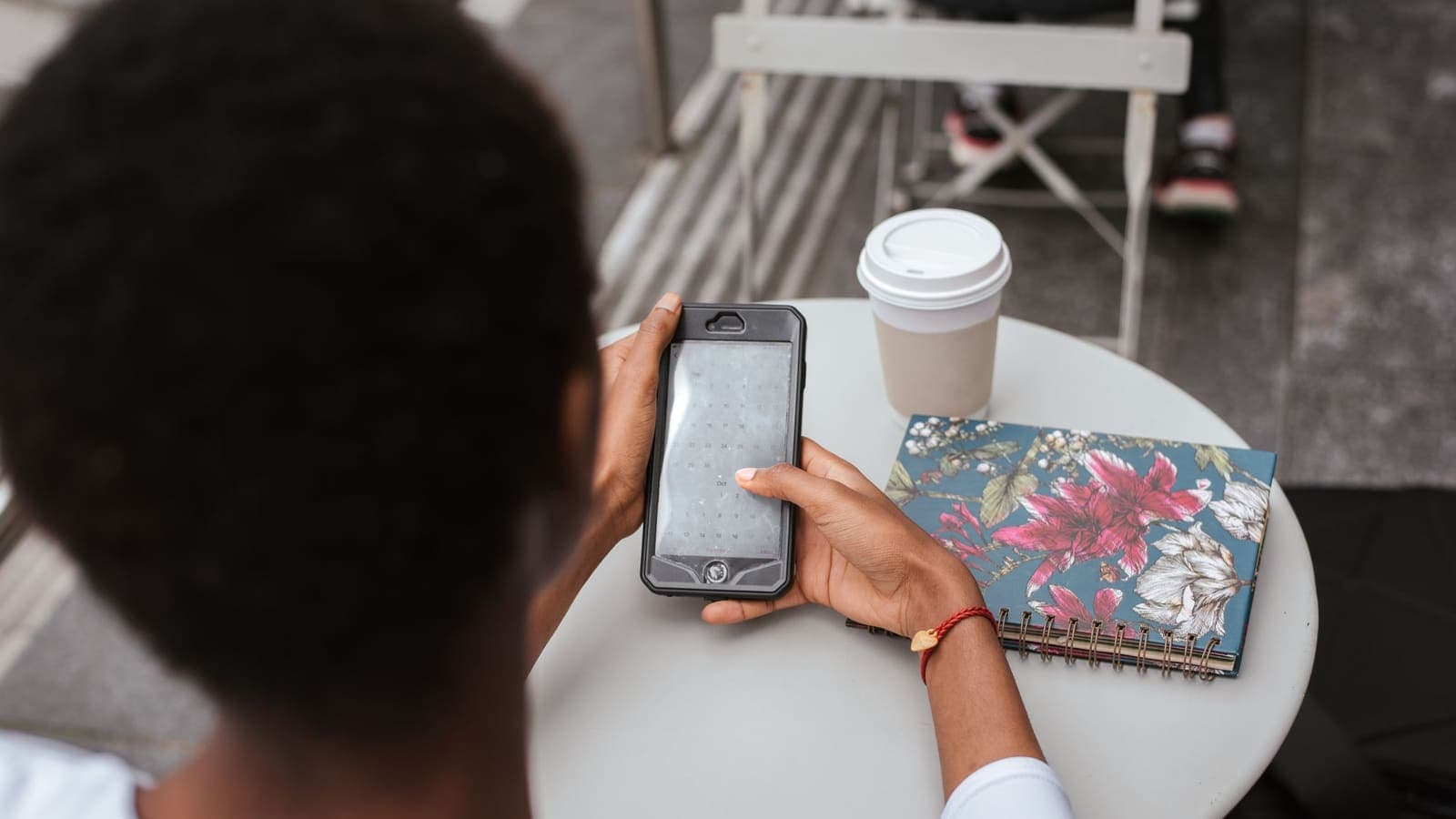
Everyone likes free, and a free VPN looks like the easy answer to a real worry: you are on a hotel network or a cafe Wi-Fi and want some protection without paying. The problem is that a VPN is not like a free calculator app. Everything you do online passes through it, so the company behind it sits in a position of trust that most apps never have.
Running a VPN also costs money every month for servers, bandwidth, software updates and support. So the useful question is not only "is a free VPN safe?" but "who is paying, and what do they get in return?" This guide gives you the questions to ask, the red flags to look for in a privacy policy, the specific risks of installing an Android VPN APK from outside an app store, and safer options if your budget is tight.
Why "free" needs an explanation
A VPN service runs on real servers with real bills. A good way to read any free offer is to assume that the cost is paid somewhere, and to find where. There are only a few possibilities: the user pays in some other way, an advertiser pays, a paying customer pays through a larger plan, or the company pays at a loss for a limited time. The last one rarely lasts.
That does not mean every free VPN is dangerous. It means the burden of explanation falls on the provider. If a service is vague about how it earns money, the vagueness itself is the first red flag. The independent EFF Surveillance Self-Defense guides are a good place to learn how to weigh privacy trade-offs like this one.
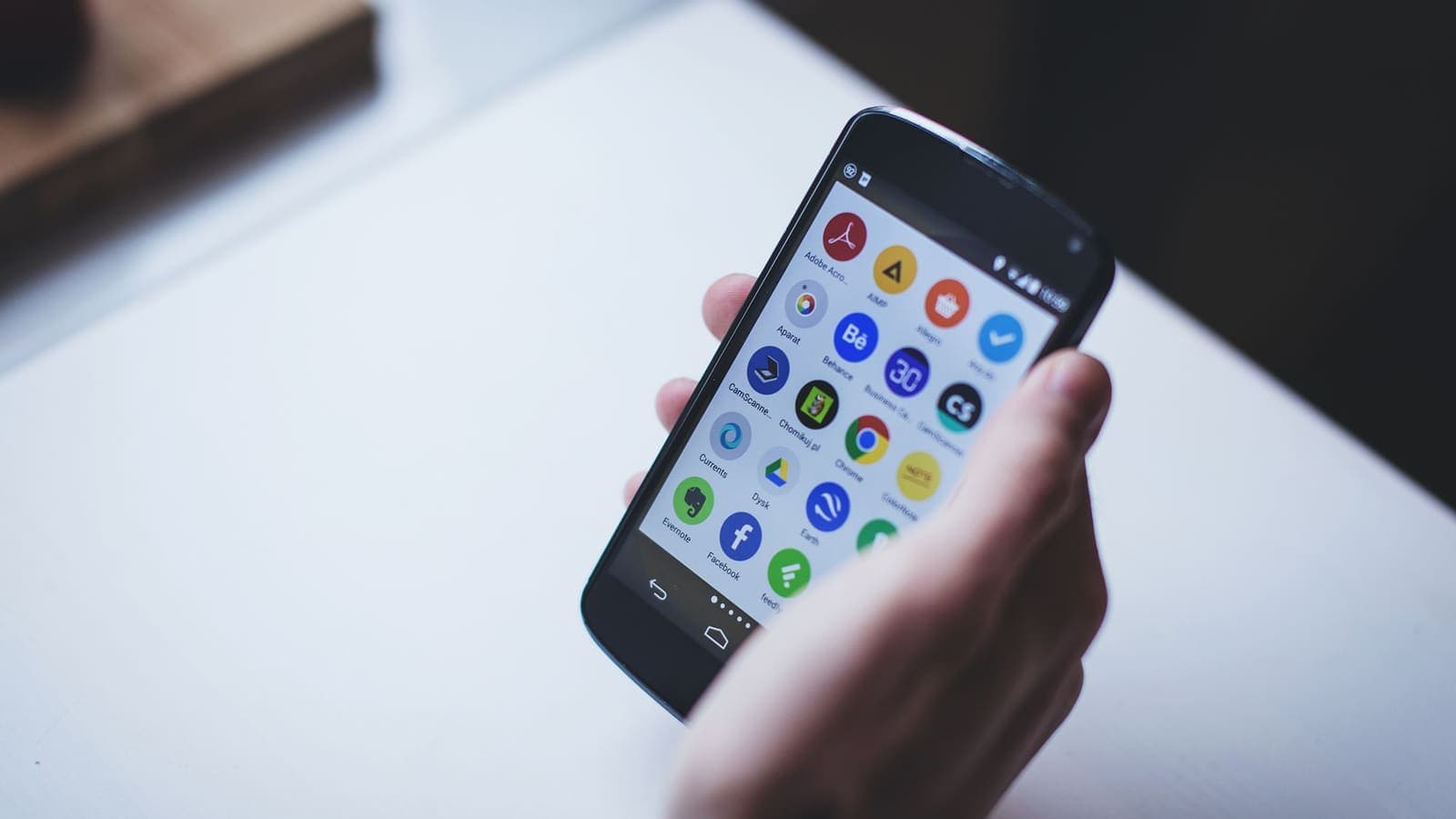
How free VPNs make money
Here are the common models, from least to most worrying.
| Model | How it works | What to watch for |
|---|---|---|
| Free tier of a paid service | A limited free plan encourages you to upgrade | Usually the safest type, but still check the policy and the limits |
| Advertising | The app shows ads, sometimes inside the connection itself | Ad networks may collect identifiers about your device and habits |
| Data collection or sharing | Browsing records or usage analytics are collected and shared or sold | Direct conflict with the reason you wanted a VPN |
| Bandwidth sharing | Your device or connection is used as an exit point for other users | Someone else's traffic appears to come from your IP address |
| No clear model | Nothing is explained | Treat as a warning sign |
The first model is often fine, because the free plan is a sample of a business that earns money elsewhere. The others turn you or your connection into the product. This is why an honest free service will usually have clear limits, such as less data, fewer options or slower use, rather than promising everything for nothing.
Red flags in the privacy policy
Most people never read a privacy policy, and free VPN providers know it. A VPN privacy policy takes ten minutes to scan, and the following signs matter most.
- There is no policy, or it is copied from somewhere else. A real service writes about its own product. If the policy names a different company, a different app, or no one at all, walk away.
- No named company or address. You should be able to find who operates the service, in which country, and how to contact them.
- Vague sharing language. Phrases such as "we may share information with partners for business purposes" or "trusted third parties" cover almost anything. Look for a clear list of what is shared and why.
- A long list of collected data. A VPN has little reason to store your real IP address, the sites you visit, DNS queries, connection times or device identifiers beyond what is needed to run the service. Ask why each item is collected and for how long.
- Advertising and analytics partners. If the policy lists ad networks or analytics tools, your data is flowing to companies other than the VPN provider.
- The policy contradicts the marketing. A web page may say "we don't track you" while the policy lists connection logs and advertising identifiers. When the two disagree, believe the longer, more specific document.
- Unilateral changes. Terms that allow the company to change the policy at any time without notice give you little to rely on.
- The app store listing disagrees with the policy. App stores ask developers to list which data an app collects. If the listing shows more than the policy admits, that is a mismatch worth taking seriously.
What "no-logs" does and does not tell you
People searching for a free VPN with no logs want reassurance. The claim means the provider says it does not keep records of your activity, and it is worth understanding how little that statement proves by itself.
- It is a claim, not a fact. Anyone can write it on a website. It means more when the privacy policy repeats it in specific terms and when independent evidence supports it.
- The word "logs" is vague. A service may say "no activity logs" while still keeping connection times, the amount of data transferred or your IP address. Read what exactly is excluded.
- The business model must match. A free service that shows targeted ads or shares analytics is paid in data, whatever its slogan says.
- Silence is not proof. A policy that never mentions logging at all does not tell you that none exist.
None of this means you must reject every service that makes the claim. It means a sentence on a landing page should not be what decides whether you hand over all your traffic.
Android VPN APK files: the sideloading risk
On Android you can install apps from files called APKs, as well as from an official store. Searching for an "android vpn apk" is often how people end up with a free or "premium unlocked" VPN from a random website. This is one of the riskiest ways to get a VPN.
Why a VPN APK is especially risky:
- A VPN app sees everything. Once you approve it, an Android VPN app can route all your phone's traffic through itself. A malicious one can watch, alter or log what passes through.
- Tampered copies are common. Popular apps are often repackaged with extra code and then shared as "free premium" or "cracked" versions. You cannot see the difference by looking at the icon.
- You skip the store's checks. Official stores are not perfect, but they add review, malware scanning and a record of who published the app. A downloaded file has none of that.
- Updates stop. A sideloaded app often does not update itself, so security fixes never arrive.
- Extra permissions are easy to grant. Installing from outside the store requires you to allow installs from that source, and some people leave that switch on afterwards.
If you need to use an APK for a legitimate reason, such as a work profile or a provider that distributes its own app, take these precautions:
- Download only from the provider's own verified website, reached by typing the address yourself rather than following an ad.
- Compare the file's published checksum or signature if the provider offers one.
- Turn off the "install unknown apps" permission again after installing.
- Review the permissions the app asks for.
- Keep the app updated and remove it when you stop using it.
Android's own help page on connecting to a VPN on Android explains how the system's VPN connection and its prompts work, which is useful for recognising what a normal setup looks like. For general setup steps, see our guide to setting up a VPN on Android.
Other warning signs inside the app
Even from an official store, apps can disappoint. Check these before you tap connect.
- Permissions that do not fit. A VPN does not need your contacts, call history, microphone or exact location to work. Studies of free Android VPN apps have repeatedly found many that embed third-party trackers or ask for more access than they need.
- Heavy advertising. Pop-ups, full-screen video ads and ads that appear while connected suggest the app earns by showing you to advertisers.
- Promises that are too large. "100% anonymous", "unhackable" or "military-grade security" are marketing phrases, not technical facts. See what a VPN cannot protect you from.
- No visible developer. A developer name that is only an email address, a generic brand, or a long list of unrelated apps with the same style is a warning.
- Odd traffic behaviour. A connection that constantly drops, redirects pages to unusual ads, or shows certificate warnings should be treated as a stop sign.
- Reviews that look uniform. A wall of short five-star reviews posted in the same week, with a few detailed complaints buried below, deserves suspicion.

A quick red-flag checklist
Use this table when you are deciding whether to install any free VPN.
| Check | Safer sign | Red flag |
|---|---|---|
| Who runs it | Named company, contact details, track record | Anonymous or unclear owner |
| How it earns money | Clear free tier of a paid plan, or openly explained | Not explained, or based on ads and data |
| Privacy policy | Specific, written for this product, readable | Missing, copied, vague or contradicts the website |
| Where you get it | Official app store or provider's verified site | Random website, forum or file-sharing link |
| Permissions | Only what a VPN needs | Contacts, microphone, call logs, extra access |
| Claims | Honest limits stated | "100% anonymous", "unlimited everything" |
| Updates | Regular, with a visible version history | Old, abandoned or never updated |
If two or more rows land in the red column, skip it.
Safer choices when your budget is tight
You do not have to choose between a risky free app and an expensive plan. Think about what you actually need, then match the cheapest honest option.
- Do you need a VPN at all for this task? Many everyday sites already use HTTPS, which encrypts the connection between you and the site. A VPN adds a different layer; it does not replace this one. The FTC's advice on public Wi-Fi is a clear starting point, and it is fine to use mobile data instead of a risky network.
- Choose a short, fixed-length pass for short needs. If you need protection for a week of travel, paying for exactly that period is often cheaper and safer than a free app you do not trust. XPASS passes cover a fixed number of days with a one-time payment and no automatic renewal. See how much a VPN should cost for the cost-per-use arithmetic.
- Look at the free tier of an established paid service if you only need a little. Apply the same checklist.
- Ask for the basics before paying anything. The checklist of what to check before paying for a VPN works just as well for a free service, because the real price might be your data.
- Use official channels. Connect with the provider's official app or the VPN settings built into your operating system, as described in your service instructions.
If you are comparing options from scratch, how to choose your first VPN gives a calm, step-by-step approach.
Limits and what to watch for
- Safe is relative. A free VPN from an accountable company, used for low-risk browsing, is a different case from an anonymous app that asks for broad permissions. The first can be reasonable and the second is hard to defend.
- Paid is not automatically safe. Spending money does not guarantee honesty, so apply the same checks to paid services, and read up on the common VPN buying mistakes.
- A VPN does not cover everything. It does not stop phishing, malware that you install yourself, or the information you give to sites you log in to.
- Policies change. Re-read the policy if the app is sold, renamed or updated with new permissions.
- When in doubt, uninstall. If an app asks for something you did not expect, you can remove it and revoke the VPN permission in your device settings at any time.
Summary
Free VPNs are not all dangerous, but they all need to explain how they are paid for, because a VPN handles everything you do online. Be most careful with services that earn money from ads, data or shared bandwidth, with policies that are vague or contradict the marketing, with promises about not keeping records that are not backed by detail, and with Android VPN APK files from outside official stores. Run the red-flag checklist, install only from trusted sources and match your choice to how much you really need a VPN.
If your need is short and clear, you can compare fixed-length passes on the pricing page.
Frequently asked questions
Is a free VPN safe to use?
Some are acceptable for low-risk tasks, but many are not. A VPN sees the traffic you send through it, so a free service that earns money from ads, data or resold bandwidth can be riskier than using no VPN. Check how it is funded, read the privacy policy and install only from official app stores.
Does a free VPN with a no-logs claim protect my privacy?
Not by itself. A no-logs claim is only a statement. It is worth more when the privacy policy says the same thing in specific terms, the company is identifiable, and independent evidence supports it. On a free service, check that the business model does not depend on your data.
Is it safe to install a VPN APK from outside the app store?
It carries extra risk. An APK from a random website can be a repackaged or tampered copy. Because a VPN app can see all your traffic, it is one of the worst app types to sideload. Use the official store listing or the provider's own verified download page.
What is the best free VPN?
There is no single best one, and the question hides the real issue. Compare how each service is funded, what its policy says about data, and whether it has limits that fit your use. For short, occasional needs, a low-cost fixed-length paid pass can be a safer choice than a free app.
How can I tell if a free VPN app is suspicious?
Warning signs include no named company, no privacy policy or a vague one, requests for permissions that have nothing to do with a VPN, heavy advertising, unrealistic promises such as total anonymity, and download links outside official stores.
References
About the author

Bob Kanokphon Thongdee
- Founder of XPASS VPN
- Co-founder of eSIMonline.asia
- More than 7 years in online marketing
- Founder of Cojourney Visa and Cojourney Travel
Need a VPN for a short trip or a busy month?
XPASS sells prepaid passes for a set number of days. You pay once and nothing renews automatically.
See passesKeep reading

Buying Guides
How to Choose Your First VPN
A step-by-step way to pick your first VPN: decide what you need it for, check device support and payment terms, read the policies, and test before relying on it.
8 min read

Buying Guides
What to Check Before Paying for a VPN
A short, practical checklist covering billing, refunds, device support, setup and claims, so you can judge a VPN before your card is charged rather than after.
8 min read
Buying Guides
Common Mistakes When Buying a VPN
Most disappointing VPN purchases come from the same handful of mistakes. Here are eleven, with plain examples and what to do instead.
9 min read

Buying Guides
How Much Should a VPN Cost?
Instead of chasing the lowest number on a price page, work out what you pay for each day you actually use a VPN. This guide shows how, and what hidden costs to look for.
9 min read

Privacy Guides
What a VPN Cannot Protect You From
A VPN secures the connection, not the person using it. This guide covers phishing, malware, ransomware, identity theft, data breaches, email privacy and other risks it cannot solve, and what to do about each.
9 min read