
Why Choose a VPN Without Auto-Renewal?
Auto-renewal is convenient for the seller and sometimes for you, but it can also turn a one-off need into a bill you forget about. Here is how to decide which model fits your use.
7 min readUpdated Oct 15, 2026By XPASS Editorial Team
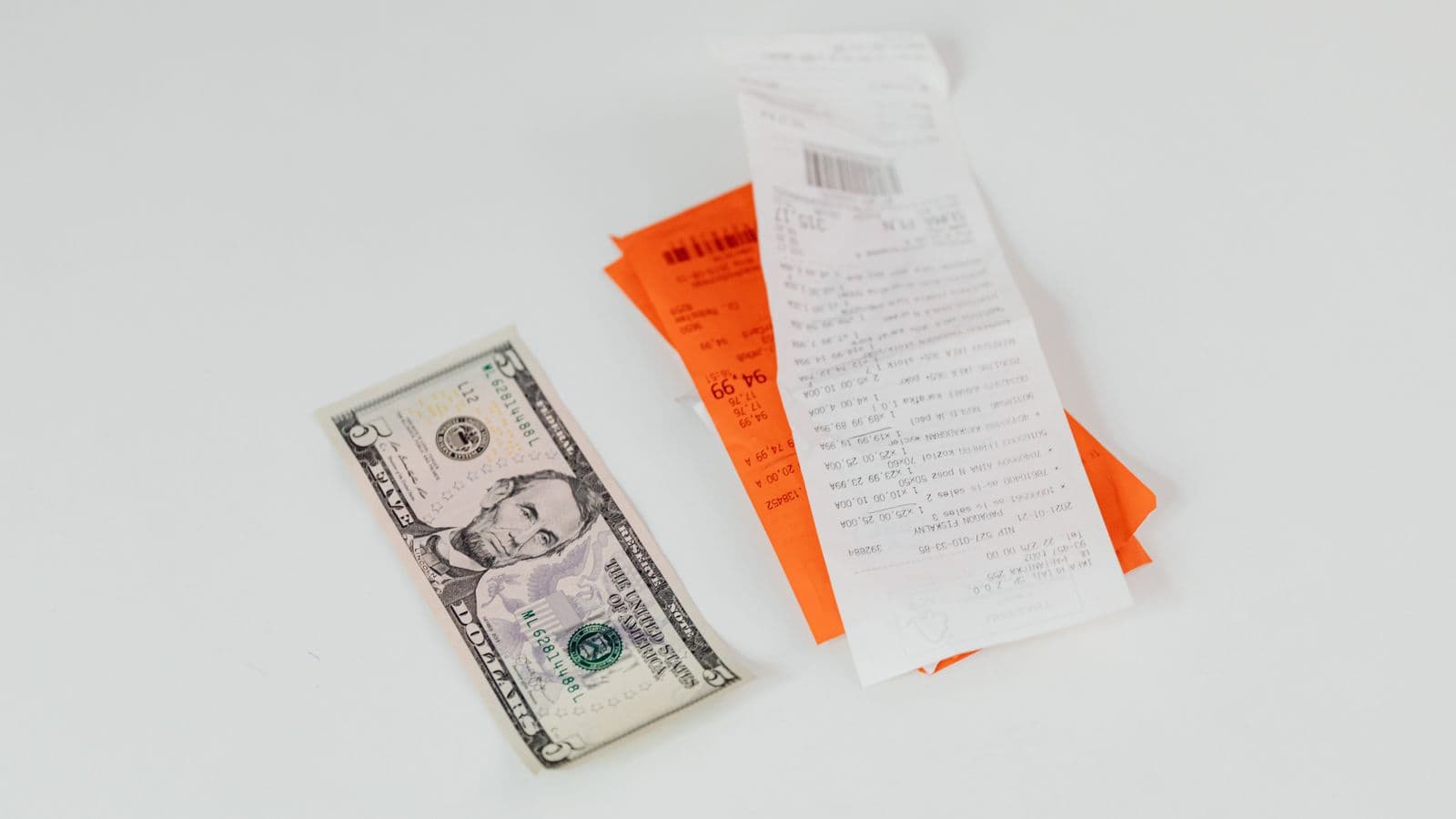
Most VPN plans are sold as subscriptions. You pay once, and the seller keeps your card details and charges you again every month or every year until you tell them to stop. That model is convenient when you rely on a service daily, but it has a cost that is easy to overlook: the charge keeps arriving whether or not you still use the product.
A VPN without auto-renewal works the other way around. You buy a fixed number of days, the service runs for those days, and then it ends unless you decide to buy more. This article explains why that matters, where auto-renewal causes real problems, and where it is honestly the better deal, so you can pick the model that matches how you actually use a VPN.
How auto-renewal works
When you sign up for a subscription, you agree to recurring billing. The seller saves a payment method and a billing schedule. On the renewal date, the charge happens automatically. Often a reminder email is sent a few days before, but not always, and the exact rules differ from seller to seller and country to country.
Three details tend to surprise people:
- The renewal price can differ from the first price. Introductory offers are common, and the second period may be billed at a different rate. Always read what the renewal will cost, not only the first payment.
- Longer plans renew for longer. A two-year plan that renews automatically can charge you for another long period in a single payment, which is a bigger loss if you forgot about it.
- Cancelling stops future charges, not past ones. A forgotten renewal can usually be addressed only through the seller's refund terms, which may be strict or may not cover renewals at all.
None of this is dishonest by itself. It is a billing model with trade-offs. The problem is that the trade-offs fall on the customer who is busy, travelling, or simply no longer thinking about VPNs.

Who loses money to auto-renewal
The people who pay the hidden cost are usually the people whose VPN use is occasional rather than constant.
The one-trip traveller. Someone buys a VPN for a two-week holiday to use on hotel and airport Wi-Fi. They come home, stop using it, and the plan quietly renews a month or a year later.
The short-project worker. A freelancer needs a VPN for a three-month contract with a client. The contract ends; the plan does not.
The person who tried a VPN once. They wanted to see what it does, learned enough, and moved on. Their card is still on file.
In each case the person did get value from the VPN. They lost money only because the billing continued longer than the need. If that sounds like you, a model where the service ends by itself removes the failure point: you cannot forget to cancel something that has no renewal.
How a prepaid pass works
A prepaid VPN pass is sold as a fixed number of days, paid once. With XPASS, payment is a single card payment through Stripe. The VPN account is created automatically after payment is confirmed, and the login details appear only on your My Pass page. For security they are never sent by email; you get an email with a sign-in link instead. Delivery is usually quick, though it can occasionally take a few minutes, and the order page shows the status.
Two practical points are worth knowing:
- The days start at delivery. The pass validity starts when the VPN account is created, not when you first connect. If you buy a pass on Monday for a trip that starts the following Monday, the first week counts. Buy close to when you need it.
- Renewing early does not waste days. If you buy more time while some remains, the new days are added on top of the remaining days. You never lose unused time by topping up early.
There is no automatic renewal. When the days run out, the pass ends. If you want more time, you buy more. You can read more about the model on the prepaid VPN page and in the prepaid vs subscription comparison.
A worked example
Suppose you travel for work four times a year, about ten days each time, and you want a VPN on those trips and nowhere else. That is roughly 40 days of real use per year.
- With a yearly auto-renewing plan, you pay for 365 days and use about 40. Your effective cost is the plan price divided by 40 days, which is roughly nine times higher per day of use than the headline per-day price suggests.
- With prepaid passes, you buy time before each trip and pay only for the days you need, plus whatever margin you choose for delays.
Now reverse it. Suppose you use a VPN every day on a laptop at a co-working space. You will use around 365 days a year. Here a long subscription at a discounted rate may be cheaper per day, and an auto-renewal that keeps your protection continuous is a benefit rather than a trap.
The point is to compare the cost per day you actually use, not the cost per day of the plan.
When a subscription is the better choice
Prepaid is not automatically better. A subscription is usually the sensible choice when:
- You use a VPN every day or nearly every day and expect that to continue for a year or more.
- You want continuity without thinking about it, such as a relative who would never remember to top up.
- The seller offers a clearly better rate for a long commitment and you are confident you will use it.
- Your device or business setup depends on the service never lapsing.
If you do pick a subscription, protect yourself. Note the renewal date in your calendar, check what the renewal price will be, and read the seller's cancellation and refund terms before paying. Many people find that a calendar reminder two weeks before renewal is enough.

What to watch for with any model
Whether you choose auto-renewal or prepaid, a few checks apply:
- Read the refund terms before you pay. What is refundable, within what time, and under which conditions? XPASS's terms are on the refund page.
- Know when the clock starts. Some passes start at purchase or delivery, others at first use. This changes how much of a short trip you pay for.
- Keep your receipt and login details. You will want them if anything goes wrong.
- Do not confuse "no auto-renewal" with "better VPN". Billing model says nothing about quality. A VPN needs to be judged on whether it is reliable and right for your use. The article on what to check before paying for a VPN covers that.
A prepaid pass also does not change what a VPN can and cannot do. It encrypts traffic between your device and the VPN provider and changes the IP address websites see, but it does not make you anonymous or protect you from every threat. If you are new to the topic, start with how to choose your first VPN.
Questions to ask yourself
A short checklist helps you decide in a minute:
- How many days in the next twelve months will I realistically use a VPN?
- If that number is under about half the year, would I rather pay per period of need or accept a plan that covers days I will not use?
- Will I remember to cancel? Be honest, including about busy periods.
- Do I need the service never to lapse, or is a short gap acceptable?
- What exactly will the renewal charge be, and what are the refund terms if I miss the date?
If your answers point to occasional use and a wish to avoid recurring charges, a pass without auto-renewal fits. If they point to constant use and a strong preference for hands-off continuity, a subscription may serve you better.
Summary
Auto-renewal is a billing choice, not a quality feature. It suits people who use a VPN every day and want no interruptions. It works against people whose need is occasional, because charges can continue after the need has gone. A prepaid pass with a fixed number of days ends by itself, lets you add days on top of what remains, and removes the forgotten-renewal risk. Compare plans by cost per day of real use, read the refund terms, and choose the model that matches your habits.
If a fixed-length pass sounds like a fit, you can look at the options on the pricing page.
Frequently asked questions
What does auto-renewal mean for a VPN?
It means the seller stores your payment details and charges you again at the end of each period unless you cancel in time. The service continues without you doing anything, and so does the charge.
Is a VPN without auto-renewal always cheaper?
Not always. It is cheaper when you use a VPN only part of the year, because you pay only for the days you need. If you use a VPN every day all year, a long subscription can cost less per day.
What happens to unused days if I renew a prepaid pass early?
With XPASS, renewing adds the new days on top of any remaining days, so unused time is not lost when you renew early.
Can I stop using a prepaid VPN pass without cancelling anything?
Yes. A prepaid pass has a fixed number of days and simply ends. There is no automatic renewal, so there is nothing to cancel.
About the author

Bob Kanokphon Thongdee
- Founder of XPASS VPN
- Co-founder of eSIMonline.asia
- More than 7 years in online marketing
- Founder of Cojourney Visa and Cojourney Travel
Need a VPN for a short trip or a busy month?
XPASS sells prepaid passes for a set number of days. You pay once and nothing renews automatically.
See passesKeep reading

Buying Guides
How to Choose Your First VPN
A step-by-step way to pick your first VPN: decide what you need it for, check device support and payment terms, read the policies, and test before relying on it.
8 min read

Buying Guides
How Much Should a VPN Cost?
Instead of chasing the lowest number on a price page, work out what you pay for each day you actually use a VPN. This guide shows how, and what hidden costs to look for.
7 min read

Buying Guides
Seven-Day VPN vs Thirty-Day VPN
A short pass and a longer one solve different problems. This guide helps you match pass length to a trip, a work project or a daily habit, with buffer tips for delays.
7 min read