
Anonymous VPN Payments: Benefits and Limits
What a private VPN payment can realistically achieve, what trail each payment method leaves, and why paying discreetly does not make your VPN use anonymous.
10 min readUpdated Oct 15, 2026By XPASS Editorial Team
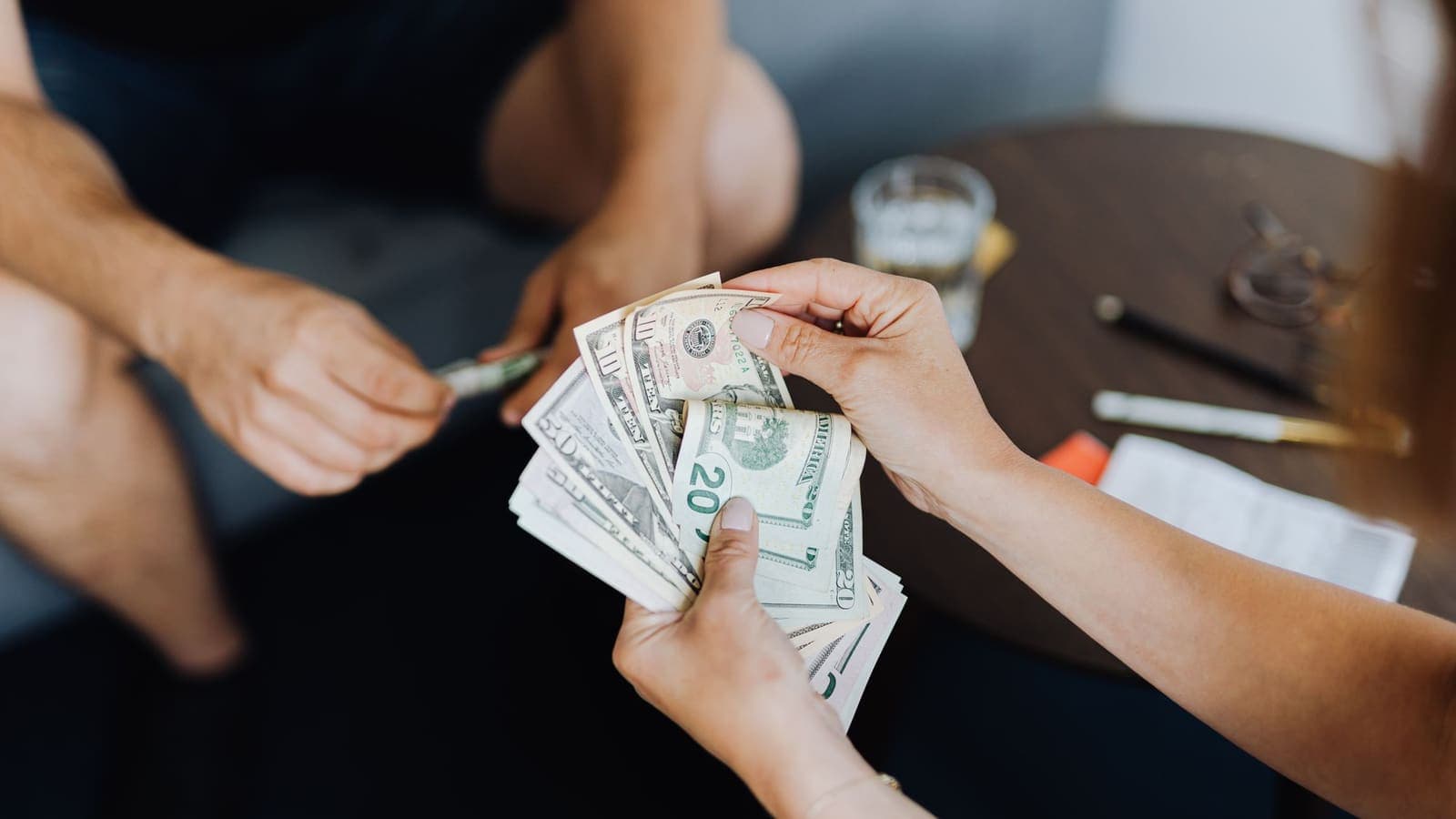
When people talk about paying for a VPN "anonymously", they usually mean one of three very different things. One person wants a purchase to stay off the shared card statement at home. Another does not want a company to keep more personal data than it needs. A third hopes that no one will ever be able to connect their account to a real name. The first two goals are reasonable and often achievable. The third is far harder than advertising suggests.
This article looks at what a private VPN payment can realistically do, what trail each way of paying leaves behind, and what no payment method can hide. It is aimed at ordinary privacy-minded users, not at people trying to avoid lawful obligations, and it gives no advice on evading the law or any platform's rules. If you want the wider question of whether a VPN makes you anonymous at all, read can a VPN make you anonymous alongside this piece.
Three meanings of "anonymous payment"
It helps to separate the goals before choosing a method, because each one needs a different level of effort.
- Private from people around you. You do not want a family member, flatmate or employer to see the charge on a statement. This is about discretion at home and is the easiest goal to reach.
- Private from the provider's records. You would like the company to hold as little identifying payment information as possible. This depends on the provider's design and on which payment processor sits in between.
- Private from everyone, including the authorities. You want an account that can never be linked to you. No ordinary payment method delivers this, and chasing it tends to push people toward risky or unreliable services.
Keep the first two in mind and treat the third as a warning sign when anyone promises it. A realistic aim is "less data linked to me, with fewer parties holding it", not invisibility.
The trail a payment leaves
Whenever you pay online, several parties see part of the transaction. The table shows who they are and what they typically learn.
| Party | What it usually learns | What it usually does not learn |
|---|---|---|
| Your bank or card issuer | The amount, the date and the name of the merchant or processor on the statement | Which account you created, what you do with the service |
| The payment processor | Payment details, amount, often an email address, fraud-check signals such as device and network | Your browsing, if you use the service |
| The VPN provider | An order record, an account, usually an email address, often the fact that payment succeeded | Full card numbers, in many designs, since the processor holds them |
| Any intermediary such as a wallet or marketplace | A record of the purchase from your account with them | The content of your VPN use |
| The public, for some digital currencies | The transaction itself on a public ledger | The real name, unless it is linked elsewhere |
Two lessons follow. First, the party that knows the most about the payment is often the processor, not the VPN company. Second, a payment is hardly ever the only identifying link. The order usually carries an email address, and the network connection you used to check out carries an address of its own.
Payment methods compared
No method is best in every way. This comparison gives the main trade-offs for the ones most often discussed.
| Method | Privacy at home | Data held by provider | Typical downsides |
|---|---|---|---|
| Debit or credit card | Charge shows on statement | Processor holds card data; provider may see only partial details | Statement visibility; card details exist with a third party |
| Virtual or single-use card number | Charge still shows on statement | Provider never sees your real card number | Availability varies by bank; refunds can be fiddly |
| Mobile wallet or QR payment | Depends on the wallet's history screen | Provider sees a confirmation, not your account | Tied to your wallet identity; support varies |
| Prepaid or gift card | Often kept off the main statement | Little card detail reaches the provider | May carry fees, expiry or identity rules; refunds are hard |
| Bank transfer | Shows in your bank history | Provider sees a transfer reference | Slower; reveals account holder name |
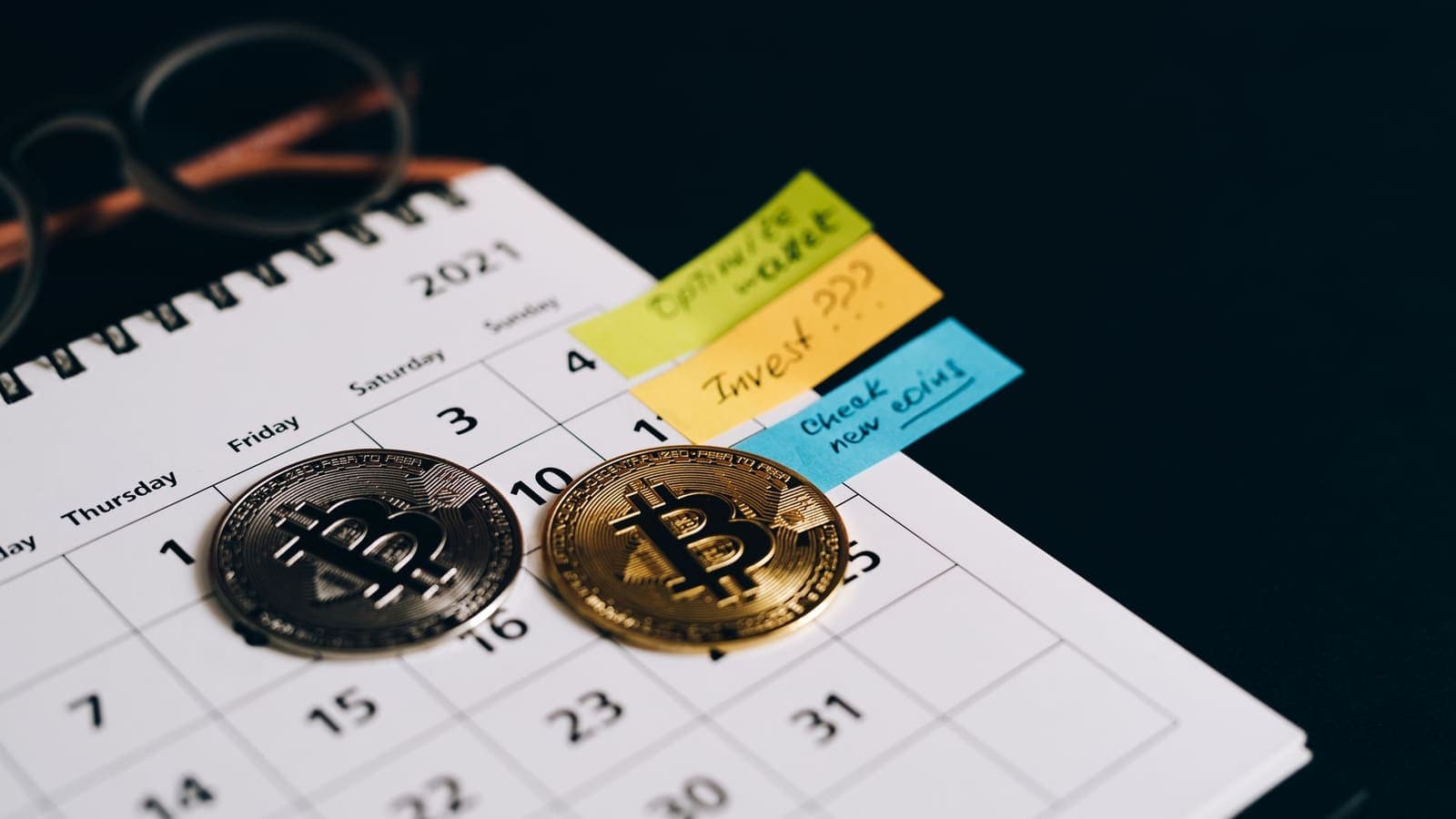
| Cryptocurrency | Not on a bank statement | Provider sees a wallet address | Public ledger; exchange identity checks; price swings; hard to refund |
| Cash or postal payment | Nothing on a statement | Very little | Rare, slow, risky in transit, unsupported by most providers |
Notice that the options that protect you most from onlookers at home are not always the ones that protect you most from the company, and vice versa. Pick the method that fits the goal you actually have.
Cryptocurrency: pseudonymous, not anonymous
Cryptocurrency often appears at the top of lists of "private" ways to pay. It deserves a more careful description.
- Most transactions are public. On common networks, every transfer is recorded on an open ledger that anyone can read. Your wallet address appears as a string of characters, not a name, which is why the term is "pseudonymous".
- The link back to you is often an exchange. To buy cryptocurrency with ordinary money, most people use an exchange that checks identity. That record connects you to your wallet, and your wallet to the payment.
- Reuse builds a picture. If you pay from the same wallet repeatedly, the history becomes a profile that analysts can study.
- Prices move. The amount you intended to pay may change in value between buying and sending.
- Mistakes are final. A wrongly addressed transfer usually cannot be reversed, and a refund is a separate manual favour, not a right.
Some people still prefer it, for example because they do not hold a card. If you go that way, do it for the practical benefit it gives and not on the belief that it erases your identity. A reasonable summary is that cryptocurrency can keep a purchase off your bank statement, but it does not guarantee that the purchase cannot be traced.
Four ordinary situations
Abstract advice is easy to forget, so here are four realistic cases.
A person sharing a card statement. Nan lives with her parents, who review the family statement each month. She does not want a small purchase to prompt a discussion. A card in her own name, a prepaid card she tops up herself, or a mobile wallet linked to her own account would all keep the charge out of the family statement. Nothing about this involves hiding from anyone but her parents.
A student with no bank card. Ton is eighteen and has no credit card. He needs a VPN for a short exchange trip. A prepaid card or a wallet balance is practical for him. He checks whether the provider accepts it before he spends time on setup, and notes that if the card is single-use, a refund may be difficult.
A traveller paying from abroad. Alex is on a three-week trip and buys a pass before departing. He pays with a card from his home bank, which treats the foreign merchant as a normal purchase. He keeps the receipt email, because it proves the order if a problem arises. For him, privacy from the provider matters less than having support and a refund route if something goes wrong.
A remote worker claiming an expense. Mai needs a VPN for client work and expects her employer to reimburse the cost. A traceable invoice is exactly what she needs. A discreet payment would make her accounting harder. This is a case where visible payment is the better choice.
For a prepaid option, one more consideration appears. XPASS passes are paid once by card through Stripe and do not renew automatically, so there is no recurring billing arrangement that keeps charging you. That is a billing property, not a claim of anonymity. See why choose a VPN without auto-renewal for what a fixed-term payment does and does not change.
What a private payment cannot hide
Even a perfectly discreet payment sits next to other clues. If anonymity is your goal, these need attention too.
- Your email address. Almost every order records one. An address containing your name links the account to you immediately.
- The network you used at checkout. The payment page sees an IP address, and the processor may log it for fraud checks.
- Your device and browser. Browsers expose settings and fonts that can act like a fingerprint across sites, whatever you paid with.
- Support conversations. If you write to support, you reveal your email, your wording and any order numbers.
- Your behaviour later. Logging in to personal accounts while the VPN is on ties your sessions to your identity, whatever you paid with.
- What the provider sees of your use. Payment is separate from connection data. Read what a VPN provider can see for how those pieces differ.
A realistic rule is that you can usually separate payment from account to a useful degree, but you cannot cut every link, and you do not need to for ordinary privacy.

Trade-offs: what you give up with an unusual method
Traceable payments have real advantages that disappear when you try to hide them.
- Refund rights. Card payments often come with dispute processes. Gift cards, cash and cryptocurrency usually do not.
- Fraud protection. A bank can reverse an unauthorised charge. A sent crypto transfer cannot be recalled.
- Proof of purchase. Records and receipts help support teams find your order quickly.
- Warranty or trial terms. Some money-back policies depend on the original payment method. VPN free trial versus money-back guarantee explains how those terms work.
- Compliance. Payment processors run identity and fraud checks by law or policy. Methods built to avoid all checks tend to attract fraudsters, which puts you in poor company.
If your goal is only discretion at home, an ordinary method in your own name, or a prepaid card, often gives you most of the benefit with few of the costs.
A short checklist before you pay
- Name your real goal. Is it discretion at home, minimal data held, or something else?
- Read the privacy policy and billing terms to see what is stored about payments. The checklist of what to check before paying covers the rest of the purchase.
- Choose the method that fits that goal, using the table above.
- Use a separate email address if you want to keep the account apart from your main identity, one you control and can still reach for receipts.
- Check that the page is the real one. Look at the web address carefully, because fake checkout pages exist. CISA's guidance on recognising phishing is a useful reference.
- Keep the receipt in a place you can find later.
- Do not pay through links sent by strangers, and never share card numbers in chat.
- Avoid mixing goals. Do not choose a method just because a page claims it is untraceable.
Limits and a legal note
- Payment privacy is not identity protection. It limits one data trail only.
- No lawful method guarantees that you cannot be traced. Authorities with proper legal powers can ask processors, banks and companies for records, and a VPN purchase does not change that.
- Rules differ between countries. Prepaid card limits, identity checks and cryptocurrency rules vary. This is general information, not legal advice, so check current official sources if you are unsure.
- A payment method cannot make legal what is illegal. Activity that breaks the law is unaffected by how you paid.
- Offers of "untraceable" service should raise your guard. The more extreme the promise, the more likely it is marketing.
Summary
Anonymous VPN payment really means one of three goals: discretion at home, less payment data held by the company, or full unlinkability, which no ordinary method delivers. Cards, virtual cards, wallets, prepaid cards, bank transfers and cryptocurrency each leave a different trail and bring different trade-offs, with cryptocurrency being pseudonymous rather than anonymous. Your email address, checkout network, device and later behaviour remain as clues whatever you pay with, and unusual methods can cost you refunds and fraud protection. Choose the method that matches your actual goal, keep a receipt and treat promises of total untraceability as marketing.
If a one-time prepaid payment suits you, the pricing page lists the passes at your own pace.
Frequently asked questions
Can I pay for a VPN completely anonymously?
Not in the full sense. You can reduce how much payment information is linked to your account, but your email, the network address you use at checkout and the payment processor's own checks still leave traces. Payment privacy is a matter of degree.
Is cryptocurrency the most private way to pay?
Not automatically. Most cryptocurrencies record every transaction on a public ledger, so they are pseudonymous rather than anonymous. Exchanges that turn money into crypto usually verify identity, which creates a link back to you.
Why would an ordinary person want private payment?
Common reasons are keeping a purchase off a shared household card statement, limiting how much personal data a company holds, avoiding stored card details and reducing the damage of a data breach. These are privacy and security reasons, not signs of wrongdoing.
Does paying discreetly make my VPN use anonymous?
No. Payment is only one link between you and an account. Email address, device, app permissions and your own browsing habits can still identify you.
What do I give up with an unusual payment method?
Refunds, chargeback rights, fraud protection and easy support are usually weaker with unusual methods. Weigh those losses before choosing a method for privacy alone.
References
About the author

Bob Kanokphon Thongdee
- Founder of XPASS VPN
- Co-founder of eSIMonline.asia
- More than 7 years in online marketing
- Founder of Cojourney Visa and Cojourney Travel
Need a VPN for a short trip or a busy month?
XPASS sells prepaid passes for a set number of days. You pay once and nothing renews automatically.
See passesKeep reading

Privacy Guides
Can a VPN Make You Anonymous?
A VPN gives you more privacy on the network, but it does not make you anonymous. Here is the difference and what still identifies you online.
9 min read

Privacy Guides
What Can a VPN Provider See About You?
A VPN does not remove trust, it relocates it. Here is what a VPN provider can technically see about your account, your payment, your connections and your traffic, and how to judge a provider.
9 min read
Buying Guides
Why Choose a VPN Without Auto-Renewal?
Auto-renewal is convenient for the seller and sometimes for you, but it can also turn a one-off need into a bill you forget about. Here is how to decide which model fits your use.
9 min read

Buying Guides
What to Check Before Paying for a VPN
A short, practical checklist covering billing, refunds, device support, setup and claims, so you can judge a VPN before your card is charged rather than after.
8 min read

Buying Guides
VPN Free Trial vs Money-Back Guarantee: What to Know
A free trial lets you try before paying; a money-back guarantee lets you pay and ask for money back. This guide compares them, lists the fine print to read, and shows a third option.
9 min read