
Using Banking Apps With a VPN: Safety and Common Blocks
Banking apps are already encrypted, and many also react to VPN connections. This guide explains why, what to do when an app blocks you, and how to bank safely abroad.
9 min readUpdated Oct 15, 2026By XPASS Editorial Team
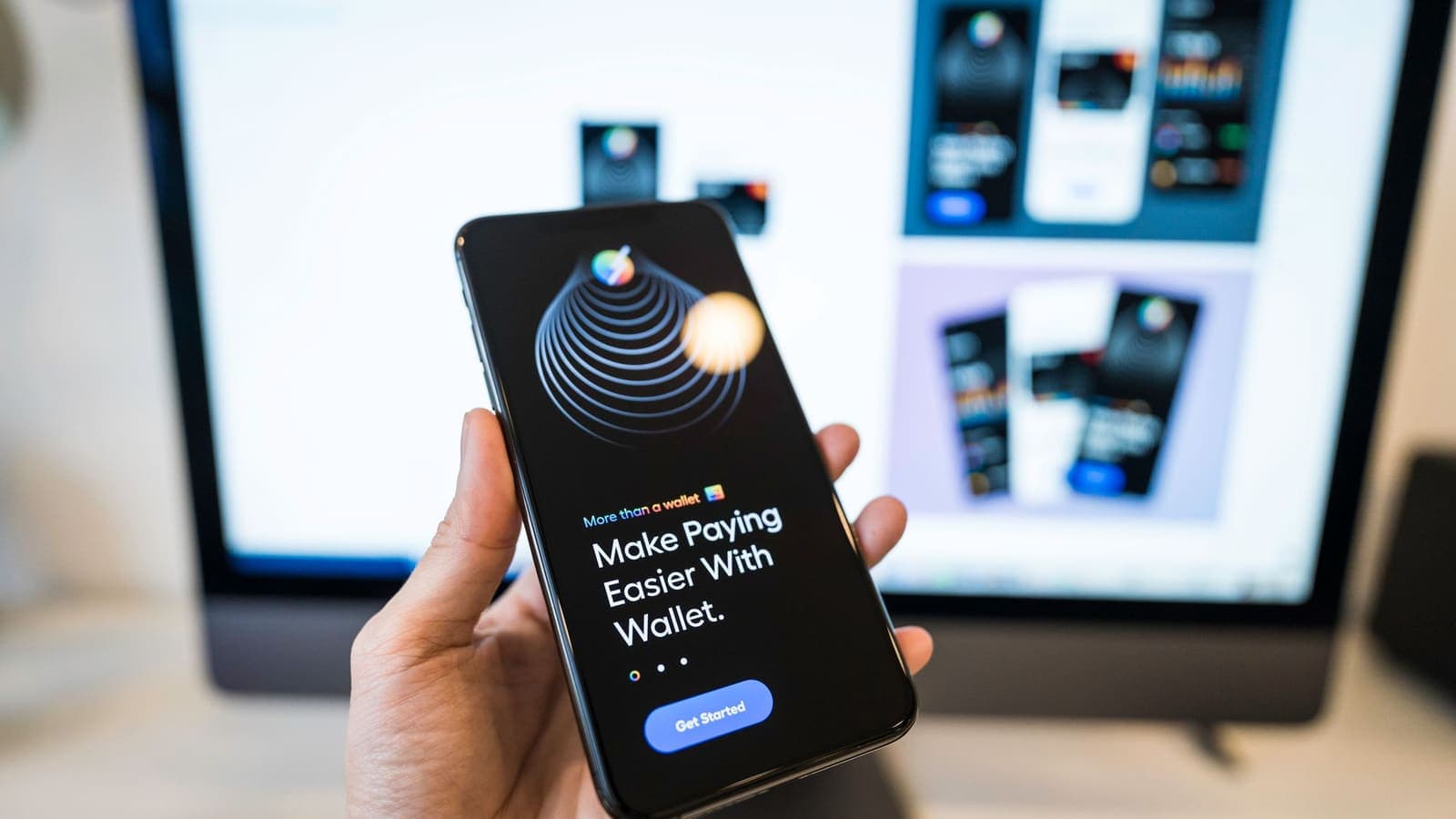
Banking is the one activity almost everyone wants to keep safe, and VPN marketing often uses that fear. At the same time, one of the most common complaints from VPN users is that their banking app refuses to open, shows an error or locks them out the moment the VPN is switched on. Both things can be true, and the details matter.
This article explains whether using a banking app on a VPN is safe, why banks sometimes block VPN connections, what to do when it happens, and how to bank and shop online safely at home or while travelling. It follows one principle throughout: your bank's own guidance comes first, and there is no trick worth using to get around a bank's security checks.
Banking apps are already encrypted
A modern banking app talks to the bank over TLS, the same family of encryption that sits behind HTTPS. The TLS 1.3 standard, RFC 8446, describes how the client and server agree on keys and protect the data in transit. Many banking apps go further: they check that the server they connect to really is the bank's server, a technique often called certificate pinning, and they refuse to continue if something in the path looks wrong.
This matters for two reasons. First, the contents of your banking session are not readable by the person who runs the Wi-Fi in a café, with or without a VPN. Second, it explains why VPN advertising that implies "without a VPN your bank login is exposed" is exaggerated. A VPN adds an extra encrypted layer, but it is not the layer that protects your bank password. To read more about how the two relate, see HTTPS versus VPN.
What a VPN can still do is hide which services you are contacting from the network you are on. If you are on public Wi-Fi, that is a real benefit, though a small one for banking compared with the bank's own protections.
Is it safe to use a banking app on a VPN?
From a technical point of view, yes, generally. Your traffic is encrypted by the bank's TLS, and then wrapped in the VPN's tunnel. The bank still sees the connection coming from the VPN server's address, and the VPN operator can see that you are connecting to the bank, though not the contents of the encrypted session.
The remaining risks are not about the connection:
- Phishing. A fake bank site or a message that asks for your login is the biggest everyday danger. A VPN does nothing about it. CISA's guidance on recognising and reporting phishing is worth reading, and so is our guide to recognising phishing websites.
- Malware on your device. If your phone or computer is infected, encrypted connections do not help. Keep the operating system and apps updated and install apps only from official stores.
- Trust in the VPN operator. Whoever runs the VPN sees where your traffic goes. This is true for every VPN, so choose carefully and avoid unknown free services.
- Weak sign-in. Reused passwords and no second step are what attackers exploit most often. Turn on two-step verification wherever the bank offers it. The two-factor authentication guide explains why.
Why banking apps sometimes block VPN connections
Banks protect customers from fraud, and a lot of fraud detection depends on the look of the connection. When you turn on a VPN, several signals change at once.
- Location. The bank expects you to appear from your usual country or city. A VPN server may appear to be somewhere else, which looks like a sign-in from an unusual place.
- Shared addresses. Many people share the same VPN address. If someone else on that address behaved badly, it may be flagged, and your connection inherits the bad reputation.
- Known VPN ranges. Some banks, as a matter of policy, treat connections from known VPN or hosting address ranges as higher risk.
- Sudden changes. Switching servers or having the connection drop and reconnect can change your apparent address mid-session. A bank may treat that as suspicious and end the session.
- Device integrity checks. Some apps look at the device and network configuration, and a VPN profile or certificate can trip them.
None of this means the bank is against privacy. It means the bank cannot tell a careful customer using a VPN from a criminal using one.
What it looks like when an app blocks you
| What you see | Likely cause | What to try |
|---|---|---|
| App closes on launch or shows a generic error | Security check rejected the network | Disconnect the VPN and reopen the app |
| "Unable to connect" or endless loading | The bank's server blocked the VPN address, or the VPN dropped | Switch to mobile data or a trusted Wi-Fi network |
| Extra verification or a one-time password you did not expect | The bank saw an unusual location or network | Complete the bank's own verification, not a workaround |
| Account temporarily locked | Several failed or suspicious attempts | Contact the bank through its official number |
| Works on Wi-Fi but not on mobile data (or the other way round) | Different network, different risk score | Use the network that works, with the VPN off |
What to do if your banking app is blocked
- Disconnect the VPN. This is the quickest test. If the app works with the VPN off, the VPN was the trigger.
- Close the app fully and reopen it. Some apps remember a failed check until restarted.
- Use your normal mobile data or a trusted network. If you were on public Wi-Fi and that is why you had the VPN on, mobile data is usually a safer option for banking than an open café network.
- Check the app and system are up to date. Old versions fail checks more often.
- Read your bank's help pages. The bank may state its position on VPNs in its own support content.
- Contact the bank. Use the phone number on your card or the official website, never a number from an unexpected message. Explain what happens and ask what they recommend.
What not to do: do not try to disguise your VPN, trick the app, install tools that change your device's location or follow tips from forums on defeating bank security checks. Those can break the bank's terms, can lock your account and can expose you to scammers. If the bank says VPNs are not supported, the safe answer is to turn the VPN off for that app.
Banking abroad, including from Thailand
Many people who travel or live abroad ask whether a VPN helps them use their home bank. In most cases the better approach is preparation, not a VPN.
- Check the bank's travel guidance before you leave. Some banks let you notify them of your trip, or have specific advice for using the app overseas.
- Make sure you can receive one-time passwords abroad. Text messages may depend on roaming or on a local SIM. If you rely on an authenticator app, confirm it works on the phone you are bringing.
- Keep your bank's phone number somewhere that does not need the internet. If the app is blocked, you will want to reach a person.
- Expect location-based checks. Signing in from a new country may trigger extra verification, and that is normal. Complete it the way the bank asks.
- Avoid doing banking on open Wi-Fi when you can. Mobile data is a more controlled path than a hotel or airport network, and the FTC's public Wi-Fi advice says to be careful with sensitive activity on such networks. If you must use public Wi-Fi, see staying safer on public Wi-Fi.
If you use a VPN while abroad for other reasons, a common routine is: connect for browsing, mail and chat; disconnect briefly for the banking app, then reconnect. Check the bank's own terms first.
VPNs and online shopping
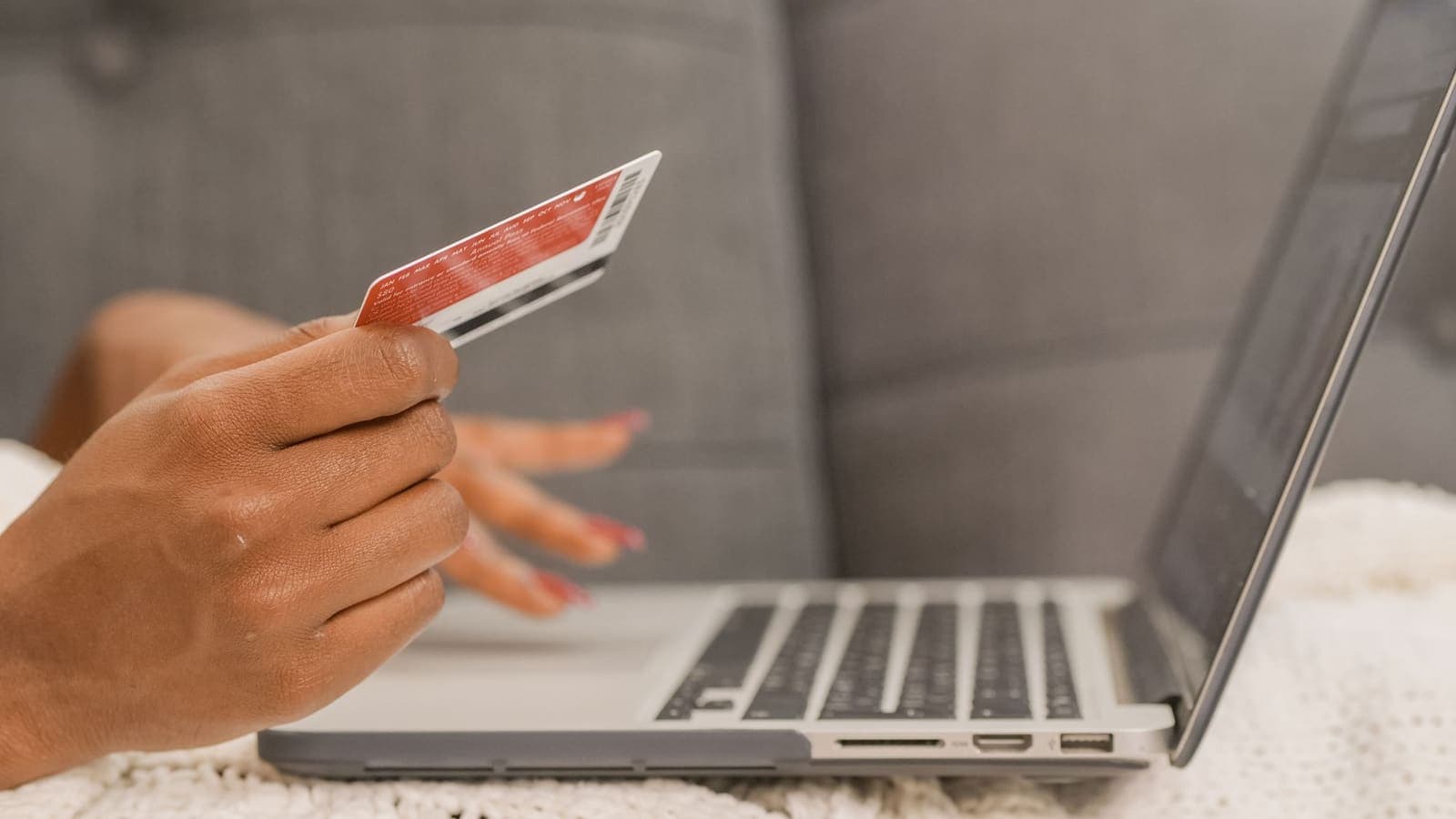
Online shopping has similar dynamics. Reputable shops use HTTPS for checkout, so your card details are encrypted regardless of the VPN. A VPN is mostly relevant if you are shopping over public Wi-Fi.
The risk of using one is the same as with banking: payment systems check whether the connection fits the billing address, and a mismatch can lead to a declined payment, a request for extra verification or a flagged account. If you are about to pay and the VPN keeps causing problems, turn it off for the checkout step, ideally on a network you trust.
Whichever way you shop, be careful with look-alike sites and offers that seem too good. Check the address bar, type the shop's address yourself when in doubt and never enter card details on a page you reached through an unexpected message.
A practical checklist for safer banking
- Install the bank's app only from the official app store, and keep it updated.
- Turn on the bank's strongest sign-in options, such as biometrics or a second verification step. CISA's guidance on multi-factor authentication explains why.
- Use a unique password for your bank, stored in a password manager.
- Do not click links in messages that claim to be from your bank. Open the app or type the address yourself.
- Lock your phone with a PIN, fingerprint or face unlock, and keep the operating system updated.
- Avoid banking on shared or unknown computers.
- Check your account and statements regularly, and report anything unfamiliar to the bank at once.
- If you use a VPN, treat it as an extra layer for general browsing and expect to turn it off for apps that do not accept it.
Common mistakes
- Assuming a VPN makes banking safe by itself. The bank's own encryption and your sign-in habits matter more.
- Using a free VPN for banking. An unknown operator sees where you connect. That is the opposite of what you want.
- Trying to hide a VPN from the bank. This breaks the bank's rules and can get you locked out.
- Calling a number from a pop-up or message when the app fails. Scammers imitate bank support. Use the official number only.
- Leaving the VPN on during a payment that keeps failing. Test with the VPN off before assuming the card or the account is the problem.
- Using the same device with no screen lock on public networks. A stolen phone is a much bigger risk than a café network.
Limits of what a VPN can do for you
A VPN cannot detect a fake website, cannot stop someone looking over your shoulder, cannot protect an infected device and cannot make a weak password strong. It also does not decide whether a particular bank allows VPN connections. Think of it as a tool for general privacy and public Wi-Fi, and respect the bank's decision about when it can be used.
Summary
Banking apps are protected by their own encryption, so a VPN is not required to use them safely, and some banks restrict VPN connections because a changed location or shared address looks like fraud. If an app is blocked, disconnect the VPN, try a trusted network and contact the bank through its official channels; do not try to get around its checks. Keep your sign-in strong, watch for phishing and prepare before travelling.
If you use a VPN for everyday browsing and travel, you can see how XPASS offers fixed-day passes without automatic renewal on the pricing page.
Frequently asked questions
Is it safe to use a banking app while a VPN is on?
Generally yes, from a technical point of view. Banking apps already encrypt their traffic, and a VPN adds another encrypted layer between your device and the VPN server. The VPN does not protect you from phishing or malware, and you must trust the VPN operator.
Why does my banking app stop working when I turn on a VPN?
Banks use fraud checks that look at your location, your network and your device. A VPN changes the address your connection comes from, which can look unusual or match addresses the bank has flagged, so the app may refuse to open, ask for extra checks or lock your sign-in.
What should I do if my banking app is blocked?
Disconnect the VPN, close and reopen the app, and try again on your normal mobile data or a trusted Wi-Fi network. If it still fails, contact the bank using the number on your card or the official website. Do not look for ways around the bank's security checks.
Do I need a VPN for online shopping?
Not usually. Reputable shops use HTTPS for checkout. A VPN can help on public Wi-Fi, but it can also trigger payment fraud checks if your address and billing details look inconsistent, so turning it off at checkout is sometimes the smoother choice.
Can I use my Thai banking app abroad?
In most cases yes, but banks differ. Check the bank's own travel guidance before you leave, make sure you can receive one-time passwords abroad, and consider telling the bank about your trip if it offers that option.
References
About the author

Bob Kanokphon Thongdee
- Founder of XPASS VPN
- Co-founder of eSIMonline.asia
- More than 7 years in online marketing
- Founder of Cojourney Visa and Cojourney Travel
Need a VPN for a short trip or a busy month?
XPASS sells prepaid passes for a set number of days. You pay once and nothing renews automatically.
See passesKeep reading

VPN Security
How to Stay Safer on Public Wi-Fi
Public Wi-Fi is not a disaster, but it is a network you do not control. Here are the real risks, the habits that matter most, and where a VPN fits in.
8 min read

VPN Security
HTTPS vs VPN: What Each One Protects
HTTPS secures the connection between your browser and a website. A VPN secures the path between your device and the VPN server. They overlap less than most people think.
9 min read

Privacy Guides
How to Recognize Phishing Websites
Phishing websites imitate real services to steal your login or card details. This guide shows the warning signs worth checking, a calm routine for suspicious links, and what to do if you entered details.
9 min read

Privacy Guides
What Is Two-Factor Authentication?
Two-factor authentication asks for a second proof of identity in addition to your password, so a stolen password alone is not enough. Here is how the main methods compare and how to start.
9 min read

Privacy Guides
What a VPN Cannot Protect You From
A VPN secures the connection, not the person using it. This guide covers phishing, malware, ransomware, identity theft, data breaches, email privacy and other risks it cannot solve, and what to do about each.
9 min read