
Can a VPN Be Hacked? Common Risks Explained
The encryption inside a VPN is rarely the weak spot. Find out where attacks really happen: accounts, unpatched software, fake apps, providers and your own device.
9 min readUpdated Oct 15, 2026By XPASS Editorial Team
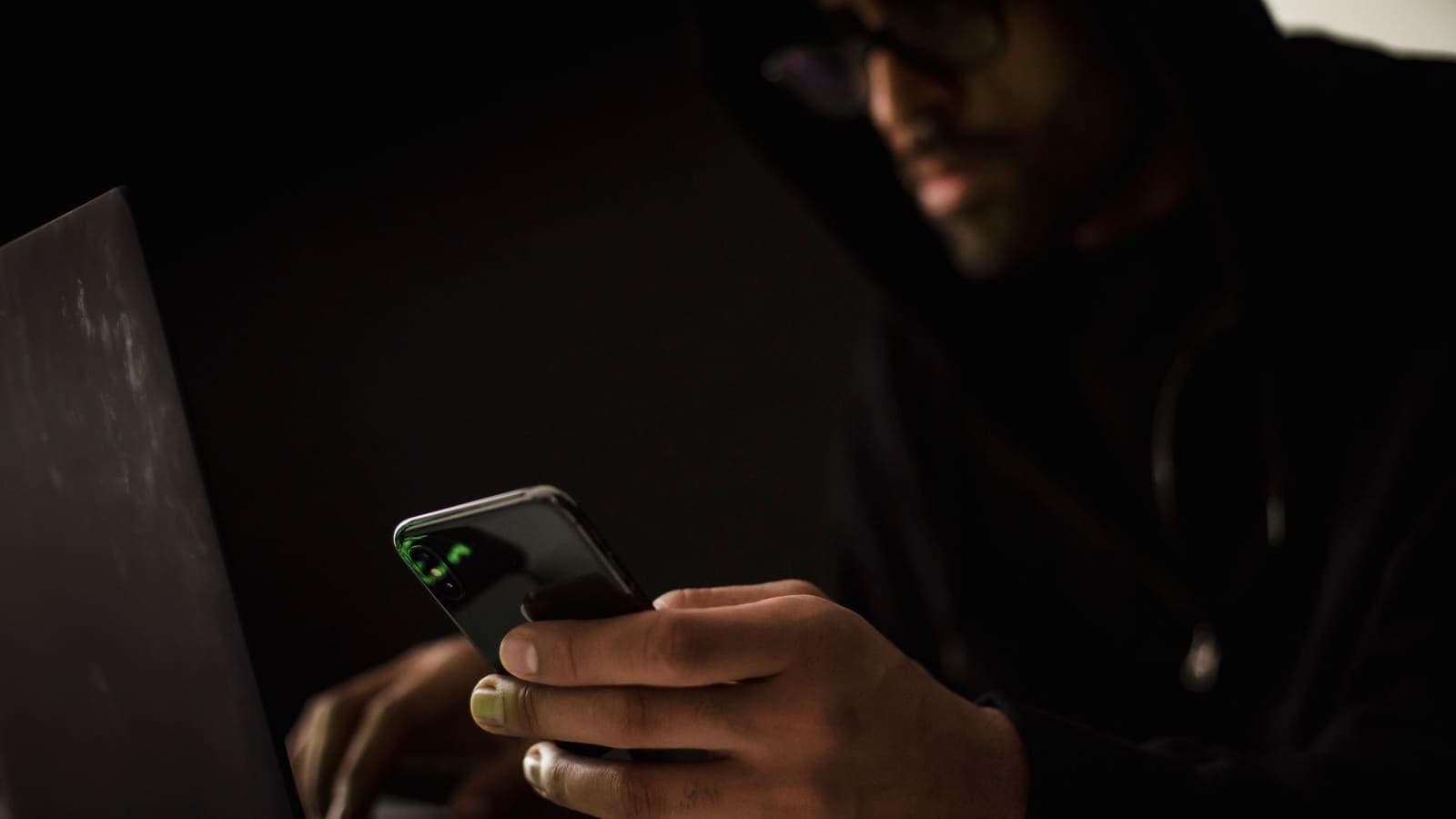
The short, honest answer to "can a VPN be hacked" is yes, in the same sense that almost any technology can be misused. But the longer answer matters more, because it changes what you should worry about. When people picture a VPN being hacked, they imagine someone cracking the encryption and reading their traffic. In reality that almost never happens. The weak points are usually found around the encryption: in accounts, software that has not been updated, fake apps, the company running the service, and the device in your hand.
This article walks through those weak points one by one, with a realistic sense of who is exposed and what you can do about each. It is not a reason to avoid VPNs, and it is not an advertisement for them either. For the general question of whether a VPN is a safe thing to use, see is a VPN safe; this piece is specifically about how things go wrong.
The short answer: strong cipher, many other places to attack
A VPN is a chain, not a single object. Your traffic passes through an app on your device, a login system, an encrypted connection, a server run by someone else, and then the open internet. Each link can fail separately.
The encrypted connection is usually the strongest link. Modern designs use well-studied algorithms and fresh keys for each session, and NIST's guidance on VPNs describes how they should be configured. Attackers know this, so they choose weaker targets, the way a burglar tries the window rather than the steel door.
That framing explains a frequent confusion. Headlines about a "VPN being hacked" can mean very different things:
- someone logged in with a stolen password,
- an organisation's gateway had a software flaw that had not been patched,
- a fake app imitated a real one,
- a provider's own systems were breached,
- malware on a user's device ignored the VPN altogether.
None of these is the same as "the encryption was cracked", and each needs a different defence.
Where attacks actually happen
This table summarises the realistic targets, how they are attacked and what reduces the risk.
| Target | Typical attack | Who is most exposed | Main defence |
|---|---|---|---|
| Your VPN account | Stolen, guessed or reused password; phishing for credentials | Anyone with a weak or reused password | Unique password, second factor, caution with links |
| VPN software and gateways | Exploiting a known flaw in outdated software | Organisations running old gateways; users of old apps | Updates, prompt patching |
| The app you install | Fake or trojanised app that looks like the real one | People who search for "free VPN" and install the first result | Official sources only, check the developer |
| The provider | Breach, misconfiguration or misuse by insiders | Customers of providers with poor security practices | Choose carefully, read the terms, limit what you share |
| Your device | Malware, spyware, a compromised browser | Anyone with unpatched or infected devices | Updates, scanning, installing only trusted apps |
| Your connection settings | Leaks that send traffic or DNS queries outside the tunnel | Misconfigured setups | Test the VPN, use a kill switch |
The rest of the article takes these in order.
Your account is the most likely way in
Most real-world incidents involving individuals begin with a credential, not a cipher. If an attacker can sign in as you, they can use your VPN service, and sometimes view account details such as the plan or the connection history that the provider shows to customers.
How credentials get stolen:
- Reuse. You used the same password on a shopping site that was later breached. Attackers take lists of leaked passwords and try them on other services, a technique known as credential stuffing.
- Phishing. A message pretends to be from your VPN provider and links to a lookalike login page. The page records what you type. CISA's guidance on recognising phishing lists the typical signs. Learning to recognise phishing websites is a skill worth building before you ever need it.
- Weak passwords. Short passwords made of names, dates or common words are guessed quickly.
- Shared logins. A password shared in a group chat is only as safe as the least careful person in the group.
What helps:
- Use a unique, long password generated and stored by a password manager. NIST's digital identity guidance favours length and uniqueness over complicated-looking rules.
- Turn on a second factor wherever it is offered. Two-factor authentication means that a stolen password alone is not enough, and CISA's page on multi-factor authentication explains why it is one of the most effective single steps you can take.
- Keep your credentials away from email and chat. Some services deliberately show login details only inside a signed-in area for this reason.
- If your provider uses separate VPN credentials, keep them different from your website login.
For companies the stakes are higher. A remote-access VPN account, once stolen, can open the door to internal systems, which is why businesses combine VPNs with strict second-factor rules and monitoring.
Software flaws and old versions
All software has bugs, and VPN software is no exception. Occasionally a flaw is found in a gateway, a client or a library. Researchers publish the details, the vendor releases a fix, and attackers then scan the internet for installations that have not applied it. The danger window is the time between the fix and the update.
This matters differently for different readers.
- Organisations that run their own VPN gateways face the biggest exposure, because the gateway sits on the public internet by design. Patching quickly, reducing exposed services and monitoring logs are standard practice.
- Individuals using a consumer app are less exposed to gateway flaws, but an old app version on an old operating system can contain fixed-but-unpatched bugs.
- Old protocols and settings can be a weakness. Early designs such as PPTP are now considered weak and should be avoided where something better exists.
Practical habits: turn on automatic updates for the operating system and the VPN app, remove apps you no longer use, and be wary of any VPN advice that tells you to download an unofficial build.
Fake apps and the free-VPN problem
Because VPN apps ask for sweeping permissions, such as creating a network connection that carries all your traffic, a malicious one is particularly harmful. It can read and alter what passes through it.
How a fake app reaches you:
- A search result or an advertisement leads to an app with a name very close to a trusted one.
- An unofficial website offers a "free download" of a paid app.
- A message links to an installer outside any official store.
- A store listing is genuine-looking but has few reviews, no clear company details or a long list of unrelated permissions.
Defences: install only from the official store listing or from the link your provider publishes, check the developer's name, look at the privacy details shown on the listing, and be sceptical of anything that promises a lot for nothing. Our article on whether free VPNs are safe lists the red flags in more detail, and it is worth reading before you install anything unfamiliar.
For customers of a service that gives you a free client app together with a paid account, as XPASS does with VPNclient, the practical step is to use the links on the official download page rather than searching and guessing.
The provider side: breaches, mistakes and trust
When you connect to a VPN service, the operator becomes a party that can in principle observe your traffic after decryption. That is not an attack; it is how the design works. It does mean the operator's own security matters.
Provider-side risks include:
- A breach of the operator's systems, exposing account data or traffic metadata that was stored.
- Misconfiguration, such as an exposed database or a server set up with weak settings.
- Misuse by insiders with access to systems.
- Weak business practices, such as unclear terms about what is recorded and for how long.
You cannot audit a provider yourself, but you can reduce the exposure. Choose providers that publish clear terms; pay in a way that does not tie unnecessary personal details to the account; do not rely on the provider for anything it does not need to know; and remember that content protected by HTTPS stays encrypted even from the operator. A separate article on what a VPN provider can see goes through this in detail.

Leaks and a compromised device
Some problems are not about someone breaking the VPN at all.
Leaks. A misconfigured setup can send DNS queries or some traffic outside the tunnel, so that the network or your internet provider still sees where you are going. Our article on DNS leaks explains how to spot one, and the guide on testing a VPN shows how to check for leaks, speed and the behaviour of a kill switch.
A compromised device. If malware is already on your phone or laptop, it can read data before it enters the tunnel, capture keystrokes or take screenshots. A VPN cannot protect a device that is infected, because the attacker is already on the inside of the encrypted path. This is why updates, careful installs and scanning matter as much as the VPN itself.
Trusted certificates and warnings. If your browser shows a certificate warning, do not click through it. Warnings can signal that something is interfering with the connection, and a VPN does not make the warning safe to ignore.
Three hypothetical stories
These cases are made up, but each reflects a pattern that really occurs.
Hana and the reused password. Hana uses one password for her online shop, her email and her VPN account. The shop is breached, and a list of passwords circulates. Within days someone signs in to her VPN account. Nothing was cracked: she handed over the key. After the incident she changes to unique passwords stored in a manager and turns on a second factor.
A small firm and the old gateway. A ten-person company runs its own VPN gateway that was set up years ago and never updated. When a flaw in that software becomes public, attackers scan for it and find the gateway. The firm had no one responsible for updates. The fix is not a better VPN but a process: a named person, a monthly update check and an alert when new advisories appear.
Diego and the lookalike app. Diego searches for a free VPN before a trip and installs the top result, which has the right name and a pleasant icon. It asks for broad permissions, shows many ads and, as he later learns, injects tracking into his traffic. He removes it, changes the passwords he used while it was installed and switches to a service whose app he reached from the provider's own website.
A practical hardening checklist
Use this list as a once-a-quarter check. Each item is cheap, and together they close most of the doors discussed above.
- Use a unique, long password for the VPN account, stored in a password manager.
- Turn on a second factor wherever it is offered.
- Never type VPN credentials into a page you reached from a message link. Go to the provider's site directly.
- Install the VPN app only from the official store listing or the provider's own link.
- Keep the operating system and the VPN app up to date.
- Enable the kill switch if your app has one, and test it.
- Run a leak test after setup and whenever you change networks or apps.
- Read the provider's terms and be wary of absolute promises such as "unhackable".
- Keep your devices free of unknown apps and scan if something behaves strangely.
- Do not share your login with others, and sign out on shared computers.
Summary
Yes, a VPN can be hacked, but not usually where people expect. The encryption is normally the strongest link; attackers go after passwords, unpatched software, fake apps, provider mistakes and the device itself. You can cut most of the risk with a unique password and a second factor, official app sources, regular updates, an occasional leak test and a sensible choice of provider. No tool makes you invulnerable, and the honest approach is layers rather than absolutes.
If you are choosing a service and would like a prepaid pass with a free app and no automatic renewal, the pricing page shows the options.
Frequently asked questions
Can hackers break VPN encryption?
With modern, properly configured encryption, breaking the cipher itself is not a realistic route for attackers. They usually go after easier targets: stolen passwords, outdated software, fake apps or the device itself. No system is flawless, so keep your software updated.
Can my VPN account be hacked?
Yes. If your username and password are weak, reused on other sites or leaked, someone else may sign in. Use a unique password, store it in a password manager and turn on a second factor wherever the service offers one.
Can a VPN app itself be dangerous?
Yes, if it is a fake or poorly built app. Download only from official store listings or links your provider publishes, check the developer name, and be cautious with unknown free apps that ask for broad permissions.
Does using a VPN make my device impossible to hack?
No. A VPN protects traffic in transit. It does not remove malware, stop phishing or fix weak passwords, and it cannot protect a device that is already compromised.
What should I do if I think my VPN account was compromised?
Change the account password straight away, sign out of other sessions if possible, contact the provider's support and change the same password anywhere else you used it. Then check your device for malware.
References
About the author

Bob Kanokphon Thongdee
- Founder of XPASS VPN
- Co-founder of eSIMonline.asia
- More than 7 years in online marketing
- Founder of Cojourney Visa and Cojourney Travel
Need a VPN for a short trip or a busy month?
XPASS sells prepaid passes for a set number of days. You pay once and nothing renews automatically.
See passesKeep reading

VPN Security
Is a VPN Safe? What It Protects and Where the Risks Are
A VPN can make some parts of your online life safer, but it is not a shield against everything. Here is what it protects, where the risks sit and how to use one sensibly.
9 min read
Buying Guides
Are Free VPNs Safe? Red Flags to Check First
A free VPN still has to pay for servers, so ask who is paying. Here are the privacy policy, no-logs and Android APK red flags to check before you install one.
9 min read

Privacy Guides
What Is Two-Factor Authentication?
Two-factor authentication asks for a second proof of identity in addition to your password, so a stolen password alone is not enough. Here is how the main methods compare and how to start.
9 min read

VPN Security
What Is a DNS Leak?
A DNS leak happens when your device asks for website addresses outside the VPN tunnel. Here is why it happens, how to test for it, and what to do about it.
10 min read

VPN Security
How to Test a VPN: Leaks, Speed and Kill Switch
A VPN is only useful if it does what it claims. This guide shows how to test any VPN yourself: leaks, kill switch, speed, latency, IPv6 and the app's own behaviour.
9 min read