
Are VPNs Legal? What to Know Before You Connect
In many places using a VPN is lawful, but the rules differ from country to country, and a VPN never makes an illegal act legal. Here is how to think about it.
9 min readUpdated Oct 15, 2026By XPASS Editorial Team
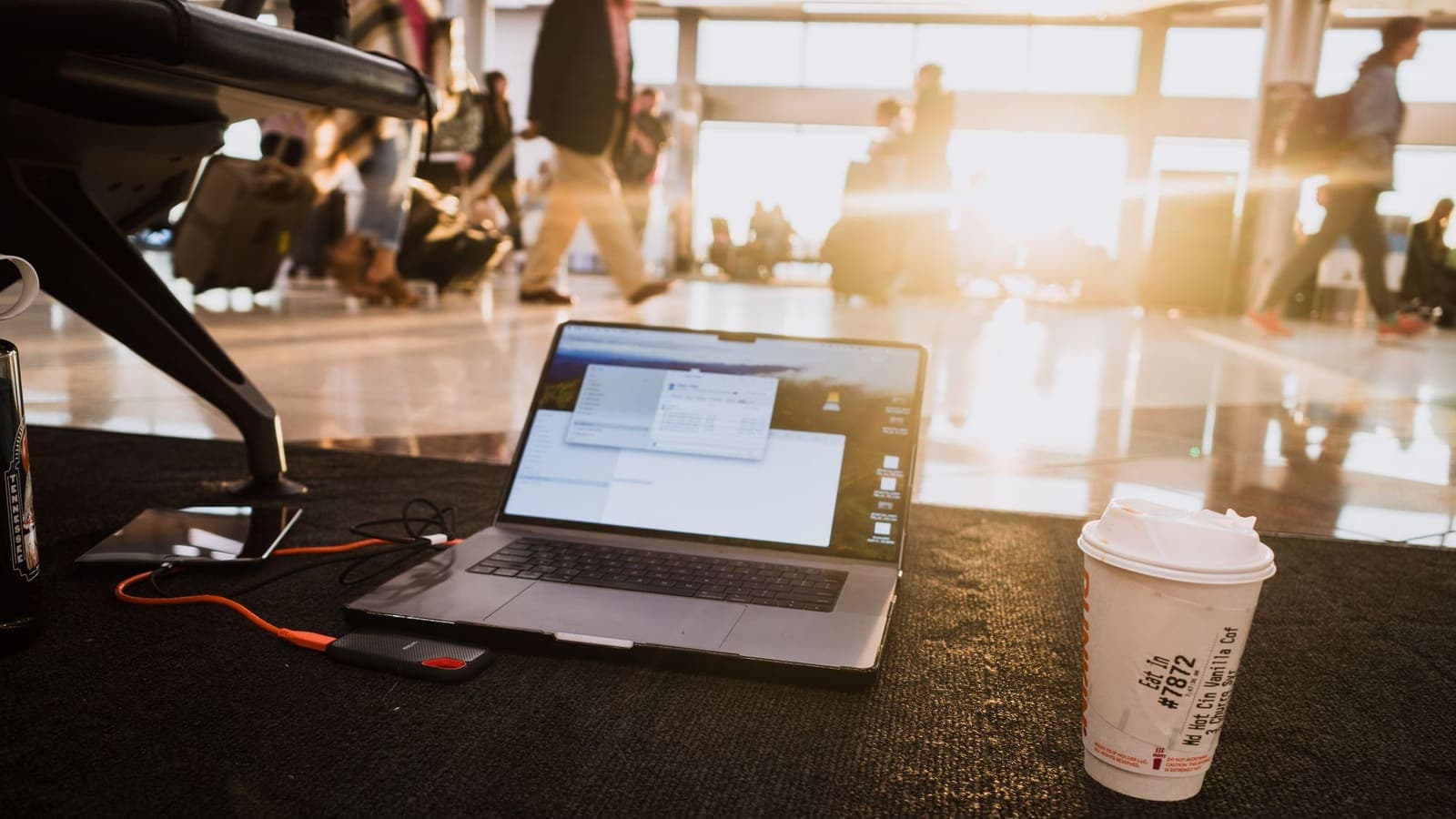
"Is a VPN legal?" is one of the most common questions people ask before they try one, and it deserves a careful answer. In many countries, using a VPN for ordinary reasons is lawful. In a few, it is restricted or regulated. And everywhere, a VPN does not turn an illegal act into a legal one.
This article gives you a plain way to think about the question: what the law usually cares about, where the rules differ, what other rules apply besides the law, and a short checklist to run before you connect. It is general information, not legal advice. Laws change and depend on where you are, so use it as a starting point and check official sources for your situation.
The short answer
For most people in most countries, the answer is yes: owning, installing and using a VPN is legal. A VPN is a privacy and security tool. Businesses use it every day to let staff reach internal systems from home, travellers use it on hotel Wi-Fi, and students use it on shared campus networks. If you want the basics first, read what a VPN is.
There are three things to keep in mind from the start:
- The law of your location matters. It is the rules where you are, not where the VPN company is based, that apply to you while you are there.
- The activity matters more than the tool. Law usually targets what a person does, such as fraud or unauthorised access, rather than the fact that they used encryption.
- Legal is not the same as allowed. A website, an employer or a school can have its own rules about VPN use, even where the law has none.

Why VPNs are normally lawful
Encryption and private connections are everyday technology. Online banking, shopping and messaging all depend on them. Government guidance on remote work, for example NIST's telework and remote access security guide, treats VPNs as a normal way to protect remote connections. Consumer advice from regulators such as the US Federal Trade Commission also warns that public Wi-Fi can be risky, which is the situation where many people use a VPN.
Typical lawful reasons people use a VPN include:
- protecting logins and messages on café, hotel, airport or campus Wi-Fi;
- keeping their internet provider from seeing every site name they visit;
- reaching work systems from home, using a connection their employer has approved;
- adding a layer of privacy on a shared home or flat network;
- keeping a consistent, encrypted connection while moving between networks.
In short, a VPN is the same kind of tool as a lock on a door. Having one is ordinary. What matters legally is what a person does with the access they have.
Where the rules differ
Countries take different approaches to VPNs. Without going into any one country, it helps to see the broad groups:
| Approach | What it usually means | What you should do |
|---|---|---|
| Generally allowed | Using a VPN is lawful. Law enforcement rules apply to the activity, not the tool. | Follow the normal law and the terms of the services you use. |
| Allowed with conditions | Use is lawful, but there may be rules about who can provide VPNs, registration, or use for business purposes. | Check the specific conditions before you rely on a VPN. |
| Restricted or prohibited | VPN use, or use of unapproved VPNs, is limited or can lead to penalties. | Follow local law. Do not assume your home rules apply. Seek advice from official sources. |
Which group a country falls into can change over time, and the details are often complicated. Do not rely on a blog post, including this one, for a definitive answer about a particular country. Government websites, your embassy or a qualified local lawyer are better sources.
If you live in, or are visiting, a place where VPN use is restricted, the right step is to follow local law. This article does not suggest ways around any country's rules.
Illegal acts stay illegal
A VPN protects the path of your traffic. It does not change whether your actions are lawful. That is true in every country.
| Activity | Does a VPN change the legal position? |
|---|---|
| Fraud, scams, identity theft | No. Still an offence. |
| Hacking or accessing systems without permission | No. Still an offence. |
| Harassment, threats or abuse | No. Still an offence. |
| Sharing copyrighted material without permission | No. Still an infringement. |
| Banking on public Wi-Fi | Not unlawful, and a VPN is a reasonable precaution. |
| Reading the news, working remotely, normal browsing | Not unlawful. |
Some people assume a VPN makes them untraceable, and from that idea the false belief grows that "nothing I do online can be linked to me". That is not accurate. A VPN does not erase accounts, payment records or the provider's own systems, and investigators have legal routes to request information. Read can a VPN make you anonymous for why the claim is overstated.
Laws versus terms of service
Even where VPN use is entirely legal, other rules may apply. These are not criminal laws, but they can have real consequences.
- Website and app terms. Some services say how they may be accessed, and some limit access by location. Breaking these terms is generally a contract issue rather than a crime, but the service may restrict or close your account. If you rely on a service, read its terms. A VPN is not a reason to ignore rules you have agreed to.
- Employers. Companies often have security policies. Some require their own VPN, and some do not allow personal VPN software on work devices. Follow your company's policy, and ask your IT team if unsure.
- Schools and universities. Networks may have acceptable-use policies that apply to everything on campus, with or without a VPN.
- Public networks. Hotels, airlines and cafés may have conditions for using their Wi-Fi.
- Payment and financial services. Banks may question a login from an unexpected address and ask for extra verification.
The key point: a VPN does not release you from the agreements you have made.
What about the VPN provider?
A VPN provider is a business, and it operates under the laws of the places where it is based and where its servers and staff are. That has two consequences worth knowing. First, a provider may receive lawful requests from authorities, and what it can hand over depends on what it keeps and on local law, so you should read a provider's published policies rather than rely on slogans. Second, a provider may refuse customers who abuse its service for crime. Reputable providers explain these points clearly. Be cautious about any service that promises you can do anything online without consequences, because no honest provider can promise that.
If you travel
Travelling is when most people first wonder about this. A few sensible habits:
- Check before you go. Look at official government travel advice for your destination, and search for current rules about VPNs and encryption tools there.
- Do not assume your home rules apply. Your home country's laws do not follow you across a border.
- Install and test at home. Set the app up on your devices before you leave, so you are not troubleshooting at an airport. See VPN for travel for more practical ideas.
- Have a plan if it is not allowed. If it turns out VPN use is restricted where you are going, do not use it there. Use other safe habits instead, such as sticking to HTTPS sites, avoiding sensitive logins on shared networks and keeping your devices updated.

Real-life scenarios
The student. A university student uses the campus Wi-Fi to study and wants to protect their logins on the shared network. Using a VPN for that is an ordinary precaution. Before connecting, the student reads the campus network policy, because the university may have its own rules about how its network is used.
The traveller. A consultant is flying to a conference in another country and plans to use hotel Wi-Fi to send client files. Before the trip, they check official travel advice and the destination's rules on VPN use. They also install and test the app at home. If the rules turn out to be restrictive, they follow them and use other precautions, such as sending sensitive files only through services that use HTTPS and keeping devices updated.
The remote worker. A designer works from cafés and shares drafts with clients. They use a VPN on public networks as one layer of protection, alongside a strong password and two-factor authentication. Their employer has a separate policy about work devices, and they follow it.
The person who wants to do something unlawful. A VPN does not help here in any legal sense. The act is still unlawful, and the person is still responsible for it. This is the clearest example of the principle in this article: the law looks at what you do, not at the tool you use.
A short checklist before you connect
- Is VPN use lawful where I am physically located? If you are not sure, check official sources.
- Am I using it for a lawful purpose, such as protecting a connection on public Wi-Fi?
- Do the services I use, my employer or my school have rules about VPN use that I must follow?
- Am I trying to avoid a rule I agreed to? If so, do not.
- Is the provider clear about what it offers and how I get access?
- Do I understand what a VPN does not do? Read what a VPN cannot protect you from.
Common misunderstandings
- "VPNs are illegal." In many countries they are not. The accurate statement is that rules vary, and a few places restrict them.
- "VPNs are always legal everywhere." Also not accurate. Check local rules, especially when you travel.
- "If I use a VPN, I cannot be held responsible." A VPN does not shield illegal behaviour.
- "The VPN company's country decides the law." Not for you. The rules where you are, and any rules that apply to you personally, matter.
- "It is legal, so every service must accept it." Services may set their own rules.
If you want more on common myths, common VPN security myths goes through the rest.
Summary
In many countries, using a VPN for everyday protection is legal, but the rules differ by place and a few countries restrict or regulate VPNs. A VPN never makes an illegal act legal, and it does not release you from the terms of the services, employers or schools you deal with. This is general information, not legal advice. Check official sources for your location, follow local law, and use a VPN for ordinary, lawful purposes such as protecting a connection on public Wi-Fi.
If you decide a VPN fits your needs, you can look at how a prepaid pass works.
Frequently asked questions
Is it legal to use a VPN?
In many countries it is legal to use a VPN for ordinary purposes such as protecting your connection on public Wi-Fi. A small number of countries restrict VPNs or allow only approved ones, so the answer depends on where you are. This is general information, not legal advice.
Does a VPN make illegal activity legal?
No. A VPN changes the route your traffic takes and who can see it. It does not change what the law says. Fraud, hacking, harassment and other offences remain offences with or without a VPN.
Can I get in trouble for breaking a website's terms of service with a VPN?
Breaking a service's terms is usually a contract matter, not a crime, but the service may limit or close your account. Read the terms of any service you rely on, and do not use a VPN to get around rules you have agreed to.
Should I check local rules before travelling with a VPN?
Yes. Rules about VPNs can be different in the country you are visiting. Check official government sources or ask a qualified local professional before you travel, especially if you rely on a VPN for work.
Are VPNs legal for businesses and remote workers?
Yes, VPNs are a standard tool for businesses. Government security guidance on telework and remote access, such as NIST SP 800-46, discusses VPNs as a way to protect remote connections.
References
About the author

Bob Kanokphon Thongdee
- Founder of XPASS VPN
- Co-founder of eSIMonline.asia
- More than 7 years in online marketing
- Founder of Cojourney Visa and Cojourney Travel
Need a VPN for a short trip or a busy month?
XPASS sells prepaid passes for a set number of days. You pay once and nothing renews automatically.
See passesKeep reading

VPN Basics
What Is a VPN?
A VPN sends your internet traffic through an encrypted tunnel to a server run by the VPN provider. This guide explains what that means, when it helps, and where its limits are.
9 min read

VPN Basics
What Does a VPN Actually Protect?
A VPN protects specific things well: traffic on untrusted networks, what your local network can see and the IP address websites record. This article maps those protections and their limits.
9 min read

Privacy Guides
Can a VPN Make You Anonymous?
A VPN gives you more privacy on the network, but it does not make you anonymous. Here is the difference and what still identifies you online.
9 min read
Privacy Guides
Common VPN Security Myths
From 'VPNs make you anonymous' to 'HTTPS makes VPNs useless', here are the most common VPN myths and what is accurate about each.
9 min read

Privacy Guides
What a VPN Cannot Protect You From
A VPN secures the connection, not the person using it. This guide covers phishing, malware, ransomware, identity theft, data breaches, email privacy and other risks it cannot solve, and what to do about each.
9 min read