
VPN for Gaming: Pros, Cons and Setup
What a VPN can and cannot do for online games: latency, routing, connection stability and privacy, plus a step-by-step setup and a test routine.
10 min readUpdated Oct 15, 2026By XPASS Editorial Team

Gamers meet VPNs through very different doors. One person is tired of lag spikes in the evening and has read that a VPN can "fix routing". Another plays on a university network where everything feels slow, or is worried about their home IP address showing up in a voice chat. A third just saw an advert promising "lower ping" and wonders whether it is true. The honest picture is mixed: a VPN for gaming can help in some situations, makes things worse in others, and does not do several things that marketing sometimes implies.
This article sets out the pros and cons, explains why latency behaves the way it does, gives you a setup that you can follow on a computer or phone, and shows how to test the result so you decide from your own numbers rather than from anyone's claims. It also draws a clear line: a VPN is a privacy and connection tool, not a way to enter other regions' servers, get around a ban or manipulate matchmaking. Those uses break the terms of almost every online game, and this article does not describe them.
How online games use your connection
To judge a VPN fairly you need three ideas.
Latency (ping) is the time it takes for a small message to travel from your device to the game server and back, measured in milliseconds. The Cloudflare explainer on latency describes it well. In fast games, every additional 20 to 30 ms is noticeable to a competitive player, while in turn-based or slower games it hardly matters.
Jitter is how much your latency varies from one packet to the next. A steady 60 ms feels better than an average of 40 ms that jumps between 15 and 120.
Packet loss is the share of packets that never arrive. Games usually send many small packets, often using UDP-style transport that does not wait for retries, so even one or two percent of packet loss can produce rubber-banding, hit registration problems and stutter. The article on packet loss with a VPN goes deeper into this.
Bandwidth, by comparison, is rarely the issue. Most online games need only a small amount of data per second. A fast connection that is unstable will feel worse than a modest one that is steady.

What a VPN does to those three things
A VPN adds a detour. Your packets go to the VPN server first and then on to the game server. That has direct consequences.
- Latency usually rises. Even a well-placed server adds the time of encryption, the extra hop and possibly a longer physical route. If the VPN server sits near you and near the game server, the increase can be a few milliseconds. If it is far away, it can be dozens.
- Jitter can go either way. A congested VPN server adds jitter. A well-run one on a clean path can lower it if your home route fluctuates.
- Packet loss can improve or worsen. If your internet provider's path to the game is lossy at certain hours, a different route through a VPN server may avoid the problem. If the VPN server is overloaded or your Wi-Fi is weak, loss gets worse.
The article on whether a VPN reduces ping and the one on VPN latency explain the mechanisms. The key lesson is that the answer depends on the actual routes involved, so only measurement can settle it.
The real pros
Safer connections on shared Wi-Fi. Dorm, hostel, cafe and hotel networks are crowded and not always trustworthy. A VPN encrypts your traffic between your device and the VPN server, which protects the rest of what your computer or phone does while you play, such as launcher logins, chat apps and downloads. See public Wi-Fi safety for the wider picture.
Hiding your home IP address. In some games and apps, other players can discover your address through peer-to-peer connections, voice chat or streaming software. Showing the VPN server's address instead reduces the chance that a hostile player targets your home line with unwanted traffic. It is a sensible privacy habit, but it is not complete protection.
Possibly better routing in specific cases. Occasionally your provider has a poor or congested path to a particular game network, particularly at peak hours, and a different route works better. If you are in that situation, a VPN might help. It is a case to test, not a promise.
Less visibility to your network owner. On a school or workplace network, a VPN prevents the local network from seeing which services you connect to. Some networks restrict games, and following local rules is your responsibility.
Convenient protection while downloading game files. Large game downloads on public networks are an easy target for casual snooping. A VPN adds a layer while the files move.
The real cons
- Extra latency. For competitive shooters and fighting games, a few milliseconds can matter. If your base ping is already good, a VPN will usually make it worse.
- Potential instability. Another hop is another place for packets to be lost, and a VPN server that is far away or overloaded makes things worse.
- Compatibility problems. Some games, launchers and anti-cheat tools react poorly to VPN software, to virtual network adapters or to shared exit addresses. A connection can fail to start, or you can be disconnected. Always check the game's own support pages first.
- Terms of service. Some publishers do not permit VPN use in certain contexts, and many flag unusual network behaviour. Using a VPN to enter other regions' servers, to evade a ban or to manipulate matchmaking violates the terms of nearly every game and can end in account penalties. This article does not support any of those uses.
- Not suited to consoles without extra steps. Most consoles have no VPN app. Sharing a VPN from a computer or running it on a router works but adds setup and troubleshooting time. See the guide on using a VPN with game consoles.
- Shared addresses can attract captchas and blocks. Because many users share a VPN exit address, a game's website or store may sometimes ask for extra verification.
Who benefits and who should skip it
| Situation | Is a VPN likely to help? | Why |
|---|---|---|
| Playing from a dorm or hotel network | Often yes for privacy | Shared networks are risky for everything else on your device |
| Great home fibre, close game servers, competitive play | Usually no | Added latency outweighs any benefit |
| Provider has a bad route at peak hours | Maybe | A different path can be steadier, but measure it |
| Streaming or voice chat with your IP exposed | Yes for privacy | Hides your home address from other participants |
| Console with no VPN support | Not easily | Needs a shared connection or router setup |
| Wanting to join servers in other regions | Not appropriate | Breaks most games' terms, and is not covered here |
| Mobile gaming on unstable Wi-Fi | Sometimes | The problem is the Wi-Fi, not the route |
If you land in the "usually no" rows, keep your connection direct and use the VPN only for other tasks.
Step-by-step setup for a PC or phone
- Check the game's rules. Open the game's support or terms page and search for VPN. If it prohibits VPN use for your situation, do not use one for that game.
- Establish a baseline without the VPN. Note your ping, jitter and packet loss in a typical session. Many games have a network statistics overlay in the settings. A website speed test or the operating system's ping command also helps.
- Install the VPN app. If you hold an XPASS pass, the free VPNclient app is available for iPhone, iPad, Android, Windows and macOS; get it from the download page and sign in with the username and password on your My Pass page.
- Pick the location nearest to you and the game servers you normally use. Do not choose a location because of a catalogue or a lobby, only because it keeps the route short.
- Connect, then start the game. Connecting first avoids the game starting on one route and then switching mid-match.
- Compare numbers. Play the same mode for the same amount of time and compare ping, jitter and packet loss with your baseline.
- If it is worse, try a closer location or a different protocol if your app offers one. Fast, lightweight protocols tend to add less delay.
- Use split tunneling if available. Route the game outside the VPN while keeping a browser or chat app inside it, or the reverse. The article on split tunneling explains the idea.
- Decide using your data. If the VPN gives a steadier result, keep it on for that game. If not, switch it off for gaming and keep it for other uses.
Keep one habit throughout: change one thing at a time, so you know what caused any difference.
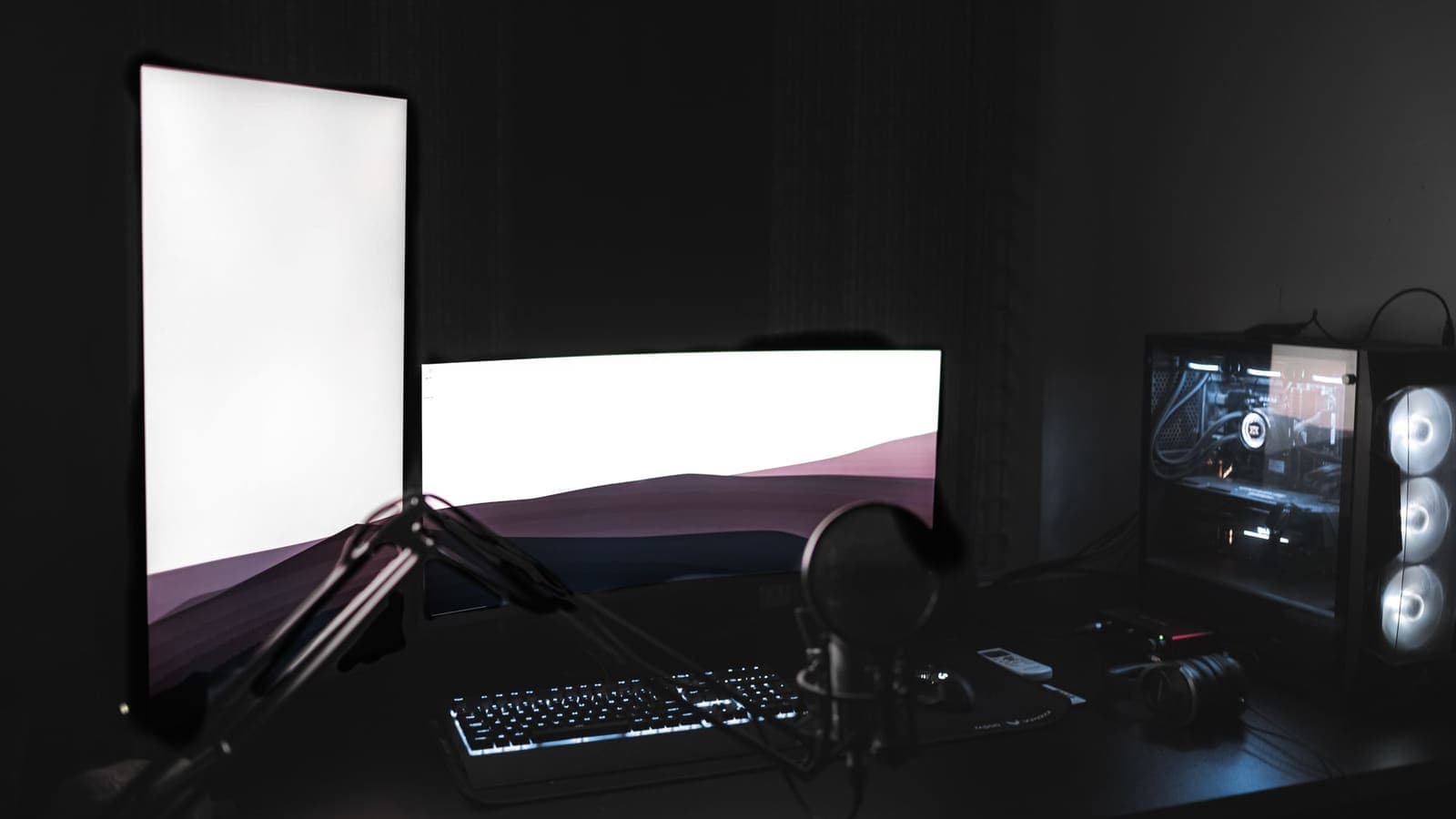
Reducing lag without a VPN
Many lag complaints have nothing to do with routing. Before you add a VPN, check the cheaper fixes:
- Use a wired connection. An Ethernet cable removes the biggest cause of jitter and loss at home.
- Move closer to the router or switch to the 5 GHz band if wired is not possible.
- Pause background downloads, cloud backups and video streams on the network.
- Restart the router if it has been running for weeks.
- Pick the game server closest to you where the game lets you choose, and use the game's own region options as intended.
- Close heavy apps on the device that compete for CPU and network.
- Check your provider's status and consider contacting them if a path is poor at specific hours.
These steps often fix more than any VPN. If you still see problems at certain hours only, then a route test with and without a VPN is worth doing.
Troubleshooting a VPN that makes gaming worse
- Ping jumped by a large amount. Try a nearer location. If your app lets you switch protocol, try the lighter one.
- Frequent disconnects. Check Wi-Fi strength, then read VPN packet loss. Turn off battery-saving modes that put the network to sleep.
- The game will not start or stops with a network error. Check the game's support page for VPN notes, and test with the VPN off. Some anti-cheat tools do not like virtual network adapters.
- Voice chat breaks. Some voice services use direct connections that behave differently through a tunnel. Try split tunneling for the voice app.
- Downloads slow. The launcher may be choosing a distant download server. A different location or turning the VPN off during downloads can help.
- Account warnings. If a game warns about unusual network activity, disconnect the VPN and contact the game's support.
Summary
A VPN for gaming is a trade-off. It can protect you on shared networks, hide your home IP address from other players and occasionally give a steadier route, but it usually adds some latency and can conflict with games or anti-cheat tools. It must never be used to enter other regions' servers, evade bans or manipulate matchmaking, because that breaks the terms of nearly every game. Measure ping, jitter and packet loss before and after, keep the VPN where it helps and switch it off where it does not. If you want a short pass for travel or dorm Wi-Fi, you can compare options on the pricing page.
Frequently asked questions
Does a VPN lower my ping in games?
Usually not. A VPN adds a step between you and the game server, so ping normally rises a little. In specific cases, where your provider's own route to the game is poor or congested, a VPN route can be cleaner and give a steadier connection, but this has to be tested rather than assumed.
Can a VPN protect me from DDoS attacks while gaming?
It hides your home IP address from other players and from game lobbies that expose it, which can reduce the risk of targeted attacks against your home connection. It does not stop attacks aimed at the game's servers, and it is not a guarantee.
Is it allowed to use a VPN in online games?
Rules differ by game and publisher. Using a VPN for privacy or a stable connection is commonly tolerated, but using one to enter other regions' servers, evade a ban or manipulate matchmaking breaks the terms of nearly every game. Read the game's current terms before you play.
Should I use a VPN on a console?
Most consoles cannot run a VPN app directly. You can share a VPN connection from a computer or use a router that supports a VPN, which is more advanced. Check your console's network settings and the help guide for consoles.
What should I do if my game lags only with the VPN on?
Turn the VPN off for that game or use split tunneling, choose a nearer location, switch to a wired connection, and compare ping and packet loss with and without the VPN. If it is worse, the VPN is not helping your case.
References
About the author

Bob Kanokphon Thongdee
- Founder of XPASS VPN
- Co-founder of eSIMonline.asia
- More than 7 years in online marketing
- Founder of Cojourney Visa and Cojourney Travel
Need a VPN for a short trip or a busy month?
XPASS sells prepaid passes for a set number of days. You pay once and nothing renews automatically.
See passesKeep reading

VPN Basics
Does a VPN Reduce Ping? Latency, Jitter and Packet Loss Explained
A VPN adds an extra stop to your route, so ping usually rises a little. Here is why, when it can improve, and how to measure it on your own connection.
9 min read

Troubleshooting
VPN Latency Explained: Why Ping Changes
Latency is the delay before data starts to arrive. See where each millisecond comes from, why a VPN changes it, what jitter means and which ping numbers matter for which activity.
9 min read

Troubleshooting
VPN Packet Loss: Causes and Diagnostics
Packets that never arrive cause stutter, frozen calls and slow pages. Learn the common causes of VPN packet loss and a simple test routine that shows where the loss really happens.
10 min read

Troubleshooting
Does VPN Server Distance Affect Speed?
Distance changes VPN speed in two ways: more delay and, on long routes, lower throughput. Learn why the nearest server is not always the fastest and how to choose by purpose.
9 min read

VPN Security
What Is Split Tunneling?
Split tunneling lets you choose which apps or sites use the VPN and which go straight to the internet. It is flexible, but it also changes what is protected.
9 min read